Chewy Vanilla Sugar Cookies
Make soft, chewy vanilla sugar cookies for holiday decorating. Easy steps, texture tips, decorating ideas, and storage advice.
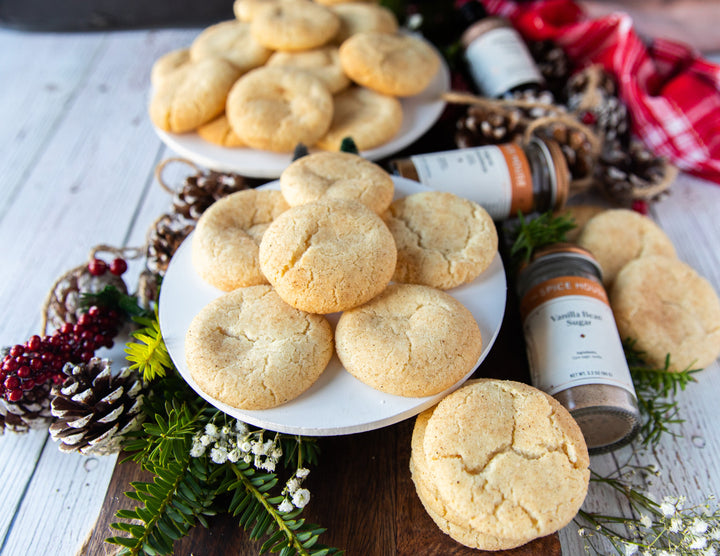
Of course the best season is baking season and The Spice House has you covered with the best quality spices and extracts. These are the perfect cookies for holiday decorating.
Yield: About 20 cookies
- Cream room temperature butter and sugar until light to keep cookies tender.
- Scoop 2 tablespoons, do not flatten, and bake 12 to 15 minutes for chewy centers.
- Cool on the baking sheet for chewiness or move to a rack for crisp cookies; roll in sanding sugar or sprinkles before baking.
Spices
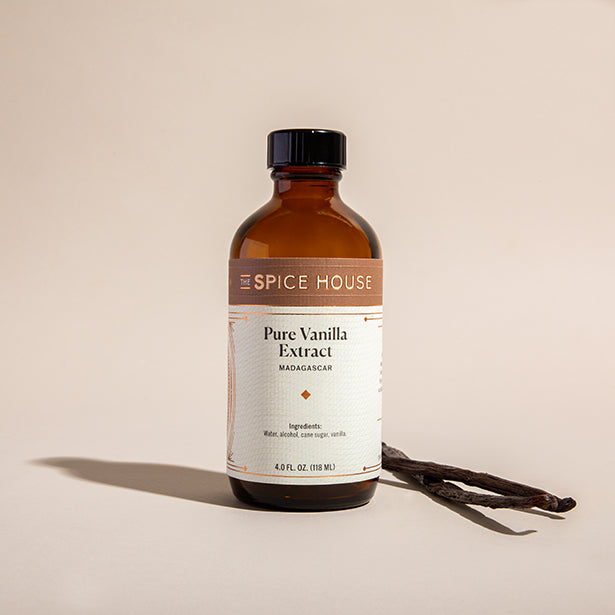
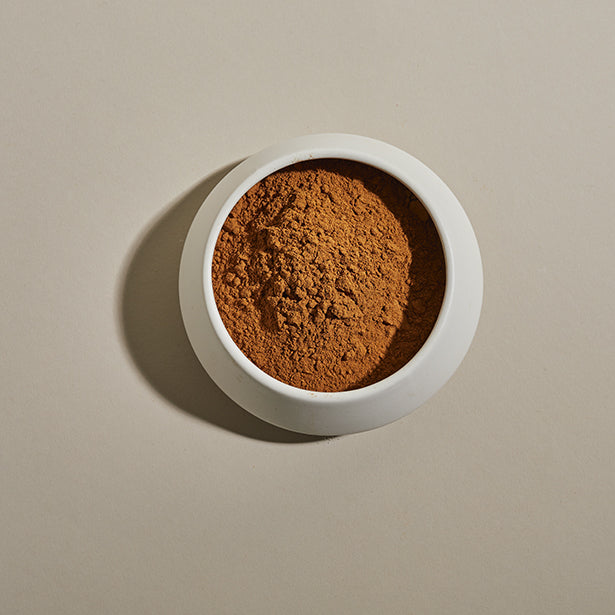
Featured in this Recipe


Preparation Instructions:

thespicehouse.com
Frequently Asked Questions
How do I make these cookies chewy instead of crisp?
For chewy cookies, bake until the edges are golden but centers still look slightly soft, about 12 to 15 minutes. Let cookies cool on the baking sheet so they finish setting. If you prefer crisp cookies, transfer them hot to a cooling rack.
Should I chill the dough before baking?
Chilling is optional. A brief chill of 30 to 60 minutes will reduce spread and make cleaner shapes. If chilled, you may need to add a minute or two to the baking time.
Can I freeze the dough or baked cookies?
Yes. Freeze scooped dough balls on a tray until firm, then transfer to a sealable bag for up to 3 months. Bake from frozen, adding a minute or two. Baked cookies freeze well for about 2 months; thaw at room temperature.
What decorations work best and when should I add them?
Use colored sanding sugar, nonpareils, luster dust, or powdered food coloring. Roll dough balls in sanding sugar or press sprinkles lightly onto the top before baking so they stick in place.
Can I use salted butter or swap the egg?
If you use salted butter, reduce or omit the added 1 1/4 teaspoon of sea salt. For egg swaps, expect textural differences. Many egg replacers work, but they may yield a less tender, slightly drier cookie.
Why did my cookies spread too much or stay flat?
Common causes are overly soft butter, warm dough, too little flour, or too much baking powder. Chill the dough, measure flour by spooning and leveling, and ensure butter is room temperature not melted. Also confirm your oven runs at the correct temperature.
How do I get uniform cookies every time?
Use a 2 tablespoon portion scoop for consistent size, leave about 3 inches between cookies, and line pans with parchment. Rotate pans midway through baking for even color.
How do I make these cookies chewy instead of crisp?
For chewy cookies, bake until the edges are golden but centers still look slightly soft, about 12 to 15 minutes. Let cookies cool on the baking sheet so they finish setting. If you prefer crisp cookies, transfer them hot to a cooling rack.
Should I chill the dough before baking?
Chilling is optional. A brief chill of 30 to 60 minutes will reduce spread and make cleaner shapes. If chilled, you may need to add a minute or two to the baking time.
Can I freeze the dough or baked cookies?
Yes. Freeze scooped dough balls on a tray until firm, then transfer to a sealable bag for up to 3 months. Bake from frozen, adding a minute or two. Baked cookies freeze well for about 2 months; thaw at room temperature.
What decorations work best and when should I add them?
Use colored sanding sugar, nonpareils, luster dust, or powdered food coloring. Roll dough balls in sanding sugar or press sprinkles lightly onto the top before baking so they stick in place.
Can I use salted butter or swap the egg?
If you use salted butter, reduce or omit the added 1 1/4 teaspoon of sea salt. For egg swaps, expect textural differences. Many egg replacers work, but they may yield a less tender, slightly drier cookie.
Why did my cookies spread too much or stay flat?
Common causes are overly soft butter, warm dough, too little flour, or too much baking powder. Chill the dough, measure flour by spooning and leveling, and ensure butter is room temperature not melted. Also confirm your oven runs at the correct temperature.
How do I get uniform cookies every time?
Use a 2 tablespoon portion scoop for consistent size, leave about 3 inches between cookies, and line pans with parchment. Rotate pans midway through baking for even color.
Comments