Creamy Queso Dip
Rich, silky queso made with whole milk, American and cheddar. Tips for smooth texture, reheating, and spicy variations.
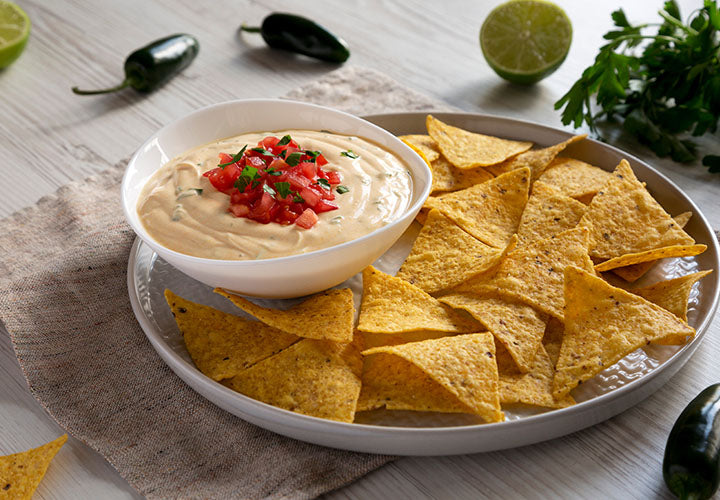
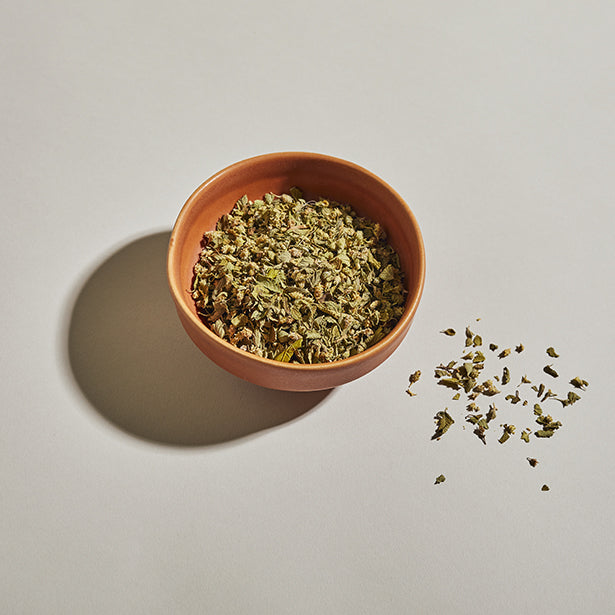
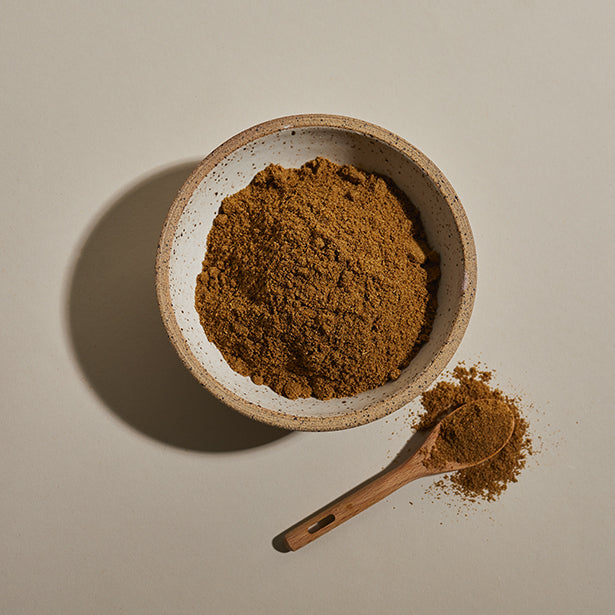
Freshly ground cumin and a pinch of Mexican oregano give an ordinary cheese sauce a deliciously rich flavor. Try garnishing this dish with some homemade pickled jalapeños and diced tomatoes.
Submitted by: Geoff Marshall from Chicago, IL
Yield: 6 cups of cheese dip
- Make a roux with butter and flour, add milk slowly, and keep heat low to avoid lumps.
- Add shredded cheese off the heat and use freshly shredded cheese, not pre-shredded.
- Adjust thickness with more milk or cheese, and rewarm gently to serve or store in the fridge up to 3 to 4 days.
Spices
Featured in this Recipe


Preparation Instructions:

thespicehouse.com
More About This Recipe
Frequently Asked Questions
How do I keep my queso smooth and not grainy?
Cook a proper roux first, add milk slowly while whisking, and keep the heat low so the sauce does not boil. Turn off the heat before you add the cheese and stir it in slowly. Use freshly shredded cheese, not pre-shredded, because pre-shredded cheese often contains anti-caking agents that make a gritty texture.
Can I use pre-shredded cheese or Velveeta?
Freshly shredded cheese gives the best texture. Sliced or block American cheese melts well and adds creaminess. Pre-shredded cheese can make the sauce grainy. Velveeta will melt smoothly but changes the flavor and texture compared with a homemade blend.
How do I fix queso that is too thick or too thin?
If it is too thick, stir in small amounts of warm milk, 1/4 cup at a time, until you reach the texture you want. If it is too thin, add more shredded cheese a little at a time or simmer gently to reduce, stirring so the bottom does not burn.
How should I reheat and keep queso warm for a party?
Reheat slowly over low heat, stirring often and adding a splash of milk if needed. For serving, use a slow cooker on low and stir occasionally to prevent separation. Avoid boiling, which can make the sauce grainy.
Can I make this ahead or freeze leftover queso?
You can make queso ahead and refrigerate it for 3 to 4 days. Reheat gently and whisk in a little milk to restore creaminess. Freezing is not recommended because the texture often breaks and becomes grainy after thawing.
Can I use lower fat milk or make a dairy-free version?
Whole milk gives the creamiest result. If you use low-fat milk, the sauce may be thinner; add a bit more cheese or a tablespoon of butter to improve texture. For a dairy-free version, use a plant-based milk and a melting plant-based cheese designed for sauce, and consider adding a cornstarch slurry to help thicken.
What flavor variations or add-ins work well with this queso?
Stir in pickled jalapeños, diced tomatoes, canned chiles, or chopped fresh chiles for heat. Smoked paprika, extra chili powder, or a squeeze of lime brighten the flavor. Garnish with cilantro and serve with chips or fresh veggies.
How do I keep my queso smooth and not grainy?
Cook a proper roux first, add milk slowly while whisking, and keep the heat low so the sauce does not boil. Turn off the heat before you add the cheese and stir it in slowly. Use freshly shredded cheese, not pre-shredded, because pre-shredded cheese often contains anti-caking agents that make a gritty texture.
Can I use pre-shredded cheese or Velveeta?
Freshly shredded cheese gives the best texture. Sliced or block American cheese melts well and adds creaminess. Pre-shredded cheese can make the sauce grainy. Velveeta will melt smoothly but changes the flavor and texture compared with a homemade blend.
How do I fix queso that is too thick or too thin?
If it is too thick, stir in small amounts of warm milk, 1/4 cup at a time, until you reach the texture you want. If it is too thin, add more shredded cheese a little at a time or simmer gently to reduce, stirring so the bottom does not burn.
How should I reheat and keep queso warm for a party?
Reheat slowly over low heat, stirring often and adding a splash of milk if needed. For serving, use a slow cooker on low and stir occasionally to prevent separation. Avoid boiling, which can make the sauce grainy.
Can I make this ahead or freeze leftover queso?
You can make queso ahead and refrigerate it for 3 to 4 days. Reheat gently and whisk in a little milk to restore creaminess. Freezing is not recommended because the texture often breaks and becomes grainy after thawing.
Can I use lower fat milk or make a dairy-free version?
Whole milk gives the creamiest result. If you use low-fat milk, the sauce may be thinner; add a bit more cheese or a tablespoon of butter to improve texture. For a dairy-free version, use a plant-based milk and a melting plant-based cheese designed for sauce, and consider adding a cornstarch slurry to help thicken.
What flavor variations or add-ins work well with this queso?
Stir in pickled jalapeños, diced tomatoes, canned chiles, or chopped fresh chiles for heat. Smoked paprika, extra chili powder, or a squeeze of lime brighten the flavor. Garnish with cilantro and serve with chips or fresh veggies.
Comments