Truffled Tahitian Duck
Rich roasted duck rubbed with Tahitian vanilla and truffle oil. Tips for timing, temps, crisp skin, gravy, and safe cooking.

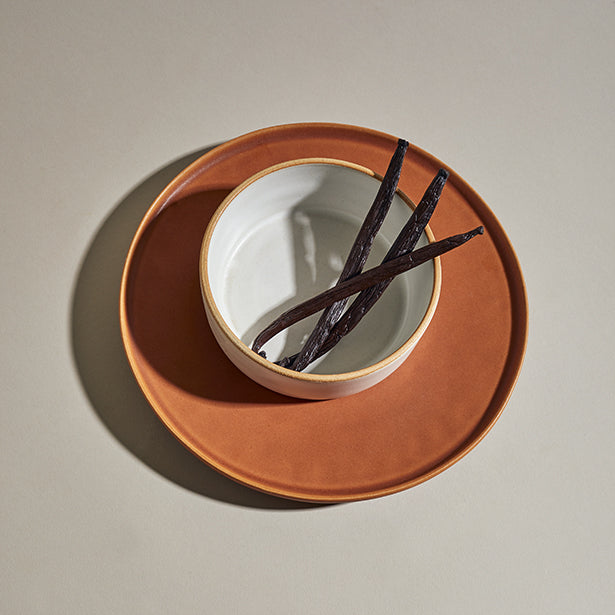
Vanilla bean caviar and fine Italian truffle oil make for a delectable rub for raosted duck.
Submitted by: John C. from Chicago, IL
Yield: 1 roast duck
- Rub the duck with scraped Tahitian vanilla seeds and truffle oil, then season and roast, basting every 30 minutes.
- Use an instant read thermometer in the leg or thigh to check doneness; USDA recommends 165 F, chefs often prefer lower for breast.
- Make gravy from the pan juices, add sage and thicken, and let the duck rest 15 minutes before carving.
Spices
Featured in this Recipe

Preparation Instructions:

thespicehouse.com
More About This Recipe
Frequently Asked Questions
What is a Tahitian vanilla bean and why use it?
Tahitian vanilla has a floral, fruity aroma that is more perfume-like than the richer, chocolatey Madagascar variety. In this recipe it adds bright aromatic seeds that pair well with the truffle oil and enhance the duck without extra sweetness.
Can I substitute the Tahitian vanilla or truffle oil?
Yes. For vanilla you can use vanilla paste or 1 to 2 teaspoons of high-quality extract if you do not have a bean. For truffle flavor use truffle butter or a few shavings of fresh truffle added after roasting. If using truffle oil, use it sparingly so it does not overpower the bird.
How do I know when the duck is done and what temperature should I aim for?
Insert an instant read thermometer into the thickest part of the thigh without touching bone. The USDA recommends 165 F for poultry safety. Many chefs roast whole duck so the breast is slightly pink and remove it at 130 to 140 F, but the dark leg meat should reach at least 165 F. If you prefer fully cooked dark meat, roast until the thigh is 170 F as the recipe suggests.
How do I get crisp duck skin?
Pat the skin very dry before applying the vanilla-truffle paste. Score the skin lightly without cutting into the meat so fat can render. Salt the skin and roast uncovered. For extra crispness dry the bird in the fridge, uncovered, for a few hours or overnight. Avoid piercing the skin while basting.
How do I make the pan gravy gluten free?
Skim most of the fat from the pan juices, keep the juices, then whisk in a cornstarch slurry (1 tablespoon cornstarch mixed with 1 to 2 tablespoons cold water) and simmer until thickened. Add chopped sage and adjust seasoning.
How often should I baste and what if there are not enough pan juices?
Baste every 30 minutes as the recipe directs. If the bird does not produce enough juices, use melted butter to baste instead. Baste quickly to keep oven temperature steady and do not pierce the skin.
How do I store and reheat leftovers?
Cool leftovers within two hours and store in an airtight container in the refrigerator for up to 3 to 4 days. Reheat gently in a 325 F oven to preserve texture; avoid microwaving if you want to keep the skin crisp. You can also freeze portions for up to 2 months.
What is a Tahitian vanilla bean and why use it?
Tahitian vanilla has a floral, fruity aroma that is more perfume-like than the richer, chocolatey Madagascar variety. In this recipe it adds bright aromatic seeds that pair well with the truffle oil and enhance the duck without extra sweetness.
Can I substitute the Tahitian vanilla or truffle oil?
Yes. For vanilla you can use vanilla paste or 1 to 2 teaspoons of high-quality extract if you do not have a bean. For truffle flavor use truffle butter or a few shavings of fresh truffle added after roasting. If using truffle oil, use it sparingly so it does not overpower the bird.
How do I know when the duck is done and what temperature should I aim for?
Insert an instant read thermometer into the thickest part of the thigh without touching bone. The USDA recommends 165 F for poultry safety. Many chefs roast whole duck so the breast is slightly pink and remove it at 130 to 140 F, but the dark leg meat should reach at least 165 F. If you prefer fully cooked dark meat, roast until the thigh is 170 F as the recipe suggests.
How do I get crisp duck skin?
Pat the skin very dry before applying the vanilla-truffle paste. Score the skin lightly without cutting into the meat so fat can render. Salt the skin and roast uncovered. For extra crispness dry the bird in the fridge, uncovered, for a few hours or overnight. Avoid piercing the skin while basting.
How do I make the pan gravy gluten free?
Skim most of the fat from the pan juices, keep the juices, then whisk in a cornstarch slurry (1 tablespoon cornstarch mixed with 1 to 2 tablespoons cold water) and simmer until thickened. Add chopped sage and adjust seasoning.
How often should I baste and what if there are not enough pan juices?
Baste every 30 minutes as the recipe directs. If the bird does not produce enough juices, use melted butter to baste instead. Baste quickly to keep oven temperature steady and do not pierce the skin.
How do I store and reheat leftovers?
Cool leftovers within two hours and store in an airtight container in the refrigerator for up to 3 to 4 days. Reheat gently in a 325 F oven to preserve texture; avoid microwaving if you want to keep the skin crisp. You can also freeze portions for up to 2 months.
Comments