Apple Cider Cinnamon Rolls
Soft cinnamon rolls with apple cider in the dough, diced apples, and a cider glaze. Tips for proofing, apple prep, and make-ahead options.
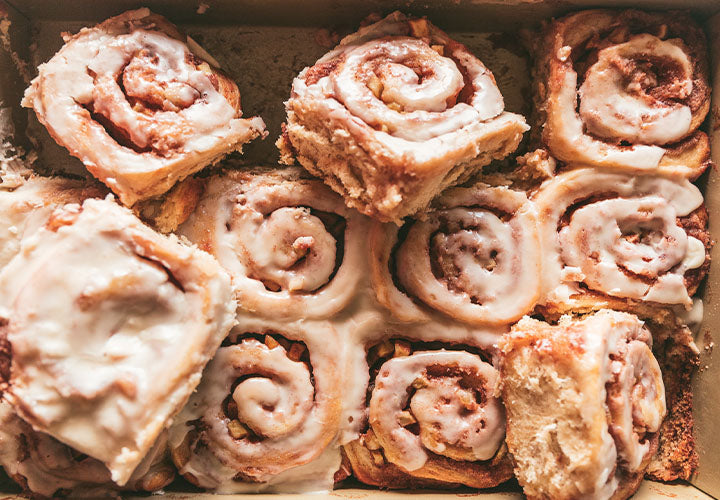
This recipe sneaks a bit of apple cider into the dough for that perfect apple-cinnamon pairing. Recipe is courtesy of Karlee Sisler Flores.
Yield: 1 dozen
- Warm the milk and apple cider to about 110°F to activate the yeast, then let the dough rise twice for light, fluffy rolls.
- Use a firm, low-moisture apple or sauté juicy apples first to avoid soggy rolls; roll, slice into 12, proof briefly and bake 18 to 20 minutes.
- Make the cider glaze with powdered sugar and cider while rolls are warm. You can refrigerate, refrigerate overnight for slow proof, or freeze for later.
Spices
Featured in this Recipe
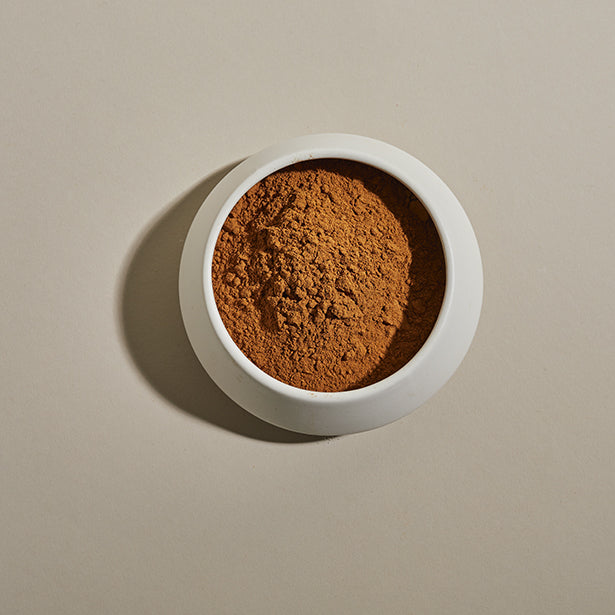

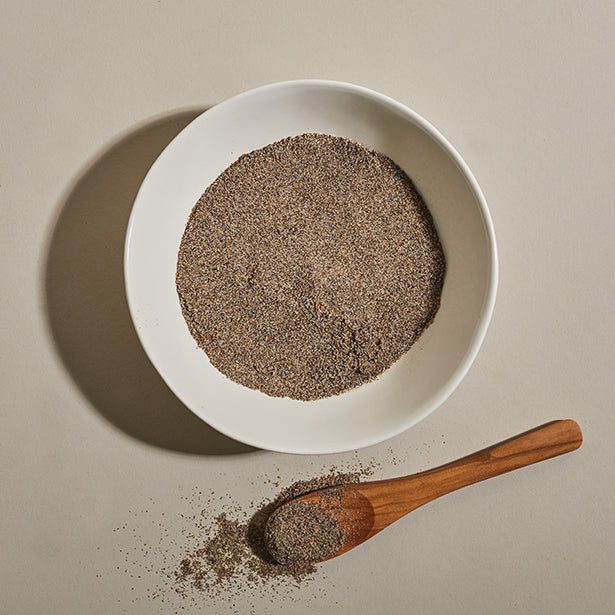

Preparation Instructions:

thespicehouse.com
Frequently Asked Questions
Why warm the milk and cider to 110°F?
Yeast wakes up best around 105 to 115°F. Warming the milk and cider to about 110°F activates the yeast without killing it. Use an instant-read thermometer. If the liquid is too hot it will kill the yeast; too cool and the dough will not rise well.
Can I use instant yeast instead of active dry yeast?
Yes. Instant yeast can be mixed directly with the flour and you can skip the separate proofing step. You can use about the same amount as active dry, though some bakers reduce it slightly. If you prefer to proof, you can still sprinkle instant yeast into the warm liquid.
What apples work best and should I cook them first?
Choose firm, crisp apples like Honeycrisp, Granny Smith, Fuji, or Pink Lady. If your apple is very juicy, quickly sauté diced pieces in a bit of butter to remove excess moisture. This keeps the filling from making the rolls soggy.
How do I prevent soggy cinnamon rolls?
Use small diced or sautéed apples, avoid overfilling the dough, and drain any liquid from cooked apples. Also make sure the rolls bake until set and just starting to color. Let them cool slightly before glazing so the glaze does not pool into wet dough.
Can I make these ahead or freeze them?
Yes. After shaping you can cover and refrigerate the rolls overnight for a slow proof, then bake in the morning. For longer storage, freeze unbaked rolls in the pan wrapped tightly for up to 2 months. Thaw overnight in the refrigerator before proofing and baking. Baked rolls also freeze well; thaw and reheat.
How do I store and reheat leftovers?
Store at room temperature, covered, for 1 to 2 days or in the fridge up to 4 to 5 days. Reheat gently in a 300°F oven for 10 to 15 minutes until warmed through. For a quick option, microwave single rolls for 12 to 20 seconds.
Can I use milk substitutes or change the fat in the dough?
You can substitute plant milks like oat or almond milk, but whole milk or cream gives the richest texture. The recipe also calls for oil in the dough; you can use melted butter instead for a richer flavor, keeping total fat similar.
How do I make and adjust the cider glaze?
Start with the listed ratio of powdered sugar to cider for a pourable glaze. If it is too thin, add more powdered sugar. If it is too thick, add a little more cider, a teaspoon at a time. A pinch of salt or a drop of vanilla can enhance flavor.
Why warm the milk and cider to 110°F?
Yeast wakes up best around 105 to 115°F. Warming the milk and cider to about 110°F activates the yeast without killing it. Use an instant-read thermometer. If the liquid is too hot it will kill the yeast; too cool and the dough will not rise well.
Can I use instant yeast instead of active dry yeast?
Yes. Instant yeast can be mixed directly with the flour and you can skip the separate proofing step. You can use about the same amount as active dry, though some bakers reduce it slightly. If you prefer to proof, you can still sprinkle instant yeast into the warm liquid.
What apples work best and should I cook them first?
Choose firm, crisp apples like Honeycrisp, Granny Smith, Fuji, or Pink Lady. If your apple is very juicy, quickly sauté diced pieces in a bit of butter to remove excess moisture. This keeps the filling from making the rolls soggy.
How do I prevent soggy cinnamon rolls?
Use small diced or sautéed apples, avoid overfilling the dough, and drain any liquid from cooked apples. Also make sure the rolls bake until set and just starting to color. Let them cool slightly before glazing so the glaze does not pool into wet dough.
Can I make these ahead or freeze them?
Yes. After shaping you can cover and refrigerate the rolls overnight for a slow proof, then bake in the morning. For longer storage, freeze unbaked rolls in the pan wrapped tightly for up to 2 months. Thaw overnight in the refrigerator before proofing and baking. Baked rolls also freeze well; thaw and reheat.
How do I store and reheat leftovers?
Store at room temperature, covered, for 1 to 2 days or in the fridge up to 4 to 5 days. Reheat gently in a 300°F oven for 10 to 15 minutes until warmed through. For a quick option, microwave single rolls for 12 to 20 seconds.
Can I use milk substitutes or change the fat in the dough?
You can substitute plant milks like oat or almond milk, but whole milk or cream gives the richest texture. The recipe also calls for oil in the dough; you can use melted butter instead for a richer flavor, keeping total fat similar.
How do I make and adjust the cider glaze?
Start with the listed ratio of powdered sugar to cider for a pourable glaze. If it is too thin, add more powdered sugar. If it is too thick, add a little more cider, a teaspoon at a time. A pinch of salt or a drop of vanilla can enhance flavor.
these were amazing! I took some liberties with the recipe and wanted to originally do a sourdough discard but ran out of discard so used active instead of instant yeast and let it rise over night and I ran out of flour too so it was an extra moist dough that ended up working and made it seriously melt in your mouth! I also tried out swapping half the sugar for molasses so they were less sweet and also had a gingerbread or molasses cookie type flavor… probably not for everyone, but my girls devoured them! I tend to measure with love and sometimes a scale so I was nervous but figured just roll with it when I didn’t end up having enough flour…. thanks for the inspiration! my cinnamon rolls in the past have been too dry and now I know I just prefer a super moist dough!