05.10.2019
Kosher Salt Substitute
Swap kosher salt with sea, table, or Himalayan salt. Quick conversion tips for cooking and baking plus measurement advice.
- Kosher salt has coarse, additive-free grains that pull moisture and are great for cooking and finishing.
- When swapping salts, measure by weight when possible. If you must use table salt, use less and taste.
- For baking use fine salts. If using coarse kosher or sea salt in baking, increase volume to match fine salt.
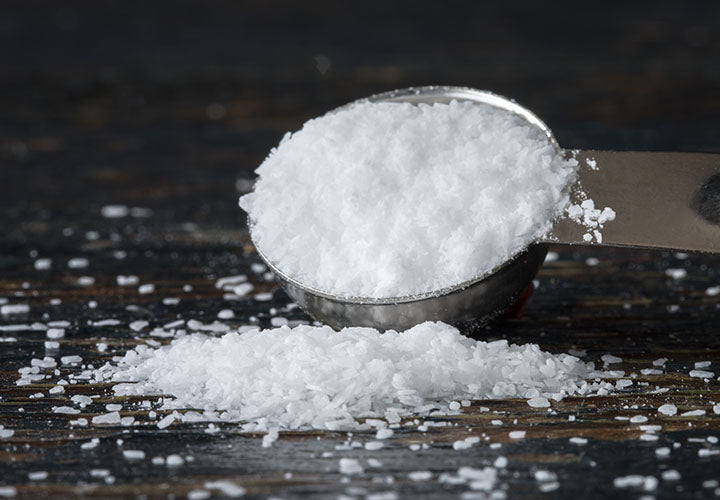

Kosher salt was named due to the use by practicing Jews to dry brine meats. Kosher salt doesn’t have any additives, which gives it the purest of salt flavors. This pure salt also effectively absorbs moisture, binding to other ingredients and dissolving easily. Kosher salt is better used for cooking, and less used for table salt to the coarse texture.
Substitute for Kosher Salt
Although Kosher salt is best used for cooking, it also works well as a finishing salt due to the large grains and irregular flakes. Many diners enjoy this crunchy mouthfeel with their food. Kosher salt is much lighter than granular salt, so it should be measured by weight instead of volume for most recipes. If you don’t have any kosher salt on hand, you can use one of the alternatives here to achieve the same flavor:
- Flaky sea salt
- Fine sea salt
- Himalayan salt
- Table salt
- Table salt should only be used to replace kosher salt if you don’t have any of the others on hand. Use less table salt than Kosher salt and taste as you go. Table salt is finer, making it easier to over-salt a dish.
ADD DIAMOND CRYSTAL KOSHER SALT TO CART
Kosher Salt Substitute In Baking
When baking, it’s best to use salts that dissolve quickly, like fine sea salt or table salt. If using kosher, or coarse ground sea salt in a baking recipe, use double the amount of salt to make up for the volume lost by the coarse grounds.
Common Kosher Salt Substitution Questions
What is Kosher Salt?
Kosher salt is also called kitchen salt and is known for its grains being coarser than table salt, making it perfect for drawing out the moisture of meat, ideal for the koshering process. Kosher salt also has no iodine which contributes to the bitter taste of foods salted with table salt.
Kosher Salt vs. Table Salt
Kosher salt is more coarse and less refined than table salt, so it takes longer to dissolve. Kosher salt is very versatile and easier to distribute evenly because the grains are larger and rougher. Table salt is better used for baking where kosher salt is better used for cooking.
Kosher Salt vs. Sea Salt
Chemically speaking, kosher salt and sea salt are the same. Sea salt has naturally present trace minerals due to it being evaporated directly from seawater. These trace minerals slightly enhance the nutritional value and are what makes some sea salts a different color. Sea salt is available in flaky sea salt along with coarse sea salt and fine grinds, and from seas all over the world.Frequently Asked Questions
What is kosher salt and why is it used?
Kosher salt is a coarse, additive-free sodium chloride used originally to draw moisture from meats in the koshering process. Its large grains make it easy to spread and good for seasoning and brining.
Can I use table salt instead of kosher salt?
Yes, but table salt is finer and saltier by volume. Start with about half the volume of table salt compared to the kosher salt called for, then taste and adjust. Whenever possible, measure by weight for accuracy.
How do I substitute sea salt or flaky sea salt for kosher salt?
Flaky sea salt is a great finishing salt because of its crunchy texture. Fine sea salt can replace kosher salt in cooking and baking. For coarse sea salt, match by weight or increase the volume to account for larger grains.
Can I use kosher salt in baking?
You can, but fine salts dissolve more evenly in batters. If a recipe calls for fine or table salt and you only have kosher or other coarse salt, use about twice the volume to reach a similar level of saltiness, or better yet weigh the salt.
Should I measure kosher salt by weight or volume?
Measure by weight when you can. Kosher salt grain size varies by brand, so the same teaspoon can hold very different amounts. Weight gives consistent, repeatable results.
Does kosher salt contain iodine or additives?
Most kosher salts do not contain iodine or anti-caking additives. That clean profile helps avoid the slightly bitter taste sometimes noticed with iodized table salt.
Is kosher salt the same as Himalayan or sea salt?
All are mainly sodium chloride, but sea and Himalayan salts often contain trace minerals that can affect color and subtle flavor. Choose based on grind and texture, and adjust quantities by weight.
What is kosher salt and why is it used?
Kosher salt is a coarse, additive-free sodium chloride used originally to draw moisture from meats in the koshering process. Its large grains make it easy to spread and good for seasoning and brining.
Can I use table salt instead of kosher salt?
Yes, but table salt is finer and saltier by volume. Start with about half the volume of table salt compared to the kosher salt called for, then taste and adjust. Whenever possible, measure by weight for accuracy.
How do I substitute sea salt or flaky sea salt for kosher salt?
Flaky sea salt is a great finishing salt because of its crunchy texture. Fine sea salt can replace kosher salt in cooking and baking. For coarse sea salt, match by weight or increase the volume to account for larger grains.
Can I use kosher salt in baking?
You can, but fine salts dissolve more evenly in batters. If a recipe calls for fine or table salt and you only have kosher or other coarse salt, use about twice the volume to reach a similar level of saltiness, or better yet weigh the salt.
Should I measure kosher salt by weight or volume?
Measure by weight when you can. Kosher salt grain size varies by brand, so the same teaspoon can hold very different amounts. Weight gives consistent, repeatable results.
Does kosher salt contain iodine or additives?
Most kosher salts do not contain iodine or anti-caking additives. That clean profile helps avoid the slightly bitter taste sometimes noticed with iodized table salt.
Is kosher salt the same as Himalayan or sea salt?
All are mainly sodium chloride, but sea and Himalayan salts often contain trace minerals that can affect color and subtle flavor. Choose based on grind and texture, and adjust quantities by weight.
Comments