African Chicken
Easy African Chicken from Macau: garlicky marinade, coconut chile baste, broiled until blackened and juicy. Tips for prep, peppers, and storage.
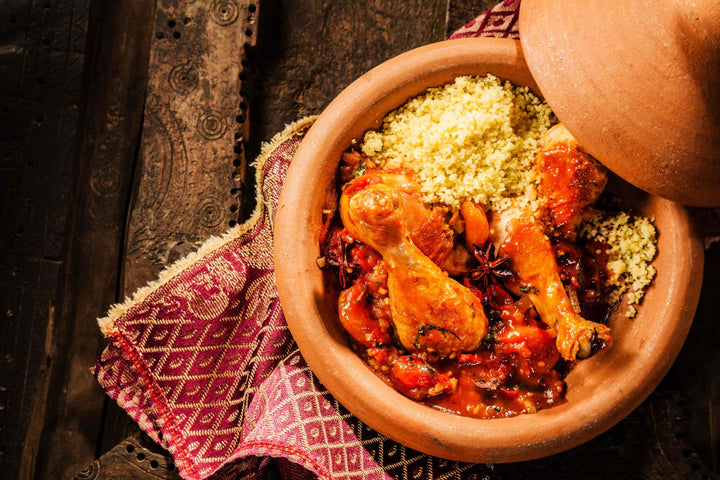
This dish was actually invented in the 1940s in Macau, a former Portuguese colony. No one knows for sure why it was named African Chicken, since the chef who originally created it passed away about 30 years later, but it is a possible nod to Portugal's Moorish history. The marinade is very similar to that for Frango Grehaldo (Portuguese grilled chicken), but the idea of using coconut milk for the basting sauce probably came from Goa, another former Portuguese colony.
Submitted by: Mabel Menard from Chicago, IL
Yield: 4
- Spatchcock and marinate the chicken overnight for deep flavor and even cooking.
- Baste frequently with a coconut milk and chile sauce while broiling to get a blackened top and moist meat.
- Use finger hot peppers or jalapenos and cook to 165°F, then rest before serving.
Spices
Featured in this Recipe



Preparation Instructions:

thespicehouse.com
More About This Recipe
Frequently Asked Questions
What is African Chicken and where did it originate?
African Chicken is a Macau dish created in the 1940s when Macau was a Portuguese colony. Its name is unclear, but the recipe blends Portuguese and colonial influences, with a garlic-paprika marinade and a coconut milk basting sauce likely inspired by Goa.
Do I have to remove the backbone, and how do I do it?
Removing the backbone, or spatchcocking, helps the bird lay flat and cook evenly. Use kitchen shears to cut along both sides of the backbone and remove it. Press the breast to flatten the chicken. If you prefer, you can split the breast bone or roast whole, but cooking times will change.
Which chiles work best for the basting sauce?
Finger hot peppers are traditional and give a bright heat. Jalapenos, serranos, or Thai chiles can be used. Remove seeds and membranes to reduce heat. Adjust the number of chiles to match your spice preference.
Can I grill this chicken instead of broiling?
Yes. Grill over medium-high heat. Start skin side up to baste, then finish skin down to crisp. Watch for flare-ups from the coconut sauce and baste often. Grill times vary by heat and size, so use an instant-read thermometer and reach 165°F in the thickest part of the breast.
How do I get a blackened top without burning the chicken?
Baste frequently so the coconut forms a caramelized crust rather than a scorched patch. Keep the bird about 8 inches from the broiler and rotate it. If the top is browning too fast, move the rack down, lower the broiler, or finish at a lower oven temperature until the interior reaches 165°F.
How long should I marinate the chicken and can I make it ahead?
Marinate overnight for best flavor, about 8 to 24 hours. You can prepare the basting sauce ahead and refrigerate it. Cooked chicken keeps 3 to 4 days in the fridge. Reheat gently to avoid drying.
Can I substitute the coconut milk in the basting sauce?
Coconut milk gives the signature richness and slight sweetness. If you need a substitute, use canned coconut cream diluted with water, or heavy cream with a small amount of coconut extract. Keep in mind the flavor and browning will change.
What is African Chicken and where did it originate?
African Chicken is a Macau dish created in the 1940s when Macau was a Portuguese colony. Its name is unclear, but the recipe blends Portuguese and colonial influences, with a garlic-paprika marinade and a coconut milk basting sauce likely inspired by Goa.
Do I have to remove the backbone, and how do I do it?
Removing the backbone, or spatchcocking, helps the bird lay flat and cook evenly. Use kitchen shears to cut along both sides of the backbone and remove it. Press the breast to flatten the chicken. If you prefer, you can split the breast bone or roast whole, but cooking times will change.
Which chiles work best for the basting sauce?
Finger hot peppers are traditional and give a bright heat. Jalapenos, serranos, or Thai chiles can be used. Remove seeds and membranes to reduce heat. Adjust the number of chiles to match your spice preference.
Can I grill this chicken instead of broiling?
Yes. Grill over medium-high heat. Start skin side up to baste, then finish skin down to crisp. Watch for flare-ups from the coconut sauce and baste often. Grill times vary by heat and size, so use an instant-read thermometer and reach 165°F in the thickest part of the breast.
How do I get a blackened top without burning the chicken?
Baste frequently so the coconut forms a caramelized crust rather than a scorched patch. Keep the bird about 8 inches from the broiler and rotate it. If the top is browning too fast, move the rack down, lower the broiler, or finish at a lower oven temperature until the interior reaches 165°F.
How long should I marinate the chicken and can I make it ahead?
Marinate overnight for best flavor, about 8 to 24 hours. You can prepare the basting sauce ahead and refrigerate it. Cooked chicken keeps 3 to 4 days in the fridge. Reheat gently to avoid drying.
Can I substitute the coconut milk in the basting sauce?
Coconut milk gives the signature richness and slight sweetness. If you need a substitute, use canned coconut cream diluted with water, or heavy cream with a small amount of coconut extract. Keep in mind the flavor and browning will change.
I’ve made this several times. I just use legs and use cream of coconut, Thai chili paste. So good we love it
i hate fride chicken
need to have weights not sizes as they differ in different regions
Wonderfully moist and easy to prepare. The whole family loves this. Marinating overnight is not a must.
oooh i didn’t know that the chicken was so hot
this is great
I am glad someone posted this recipe, I have been to Macau and tried this original recipe in a colonial restaurant in the 70s and have been missing it ever since I moved to Seattle. I think the chef who created it owns the restaurant in Macau, I am not sure if the restaurant is still there. It’s a unique experience. I paired it with a very light Rose wine.