Vanilla Tarts with Orange Blossom Meringues
Step-by-step recipe and tips for crisp tart shells, smooth vanilla pastry cream, and dry orange blossom meringues. Make ahead and troubleshooting advice.
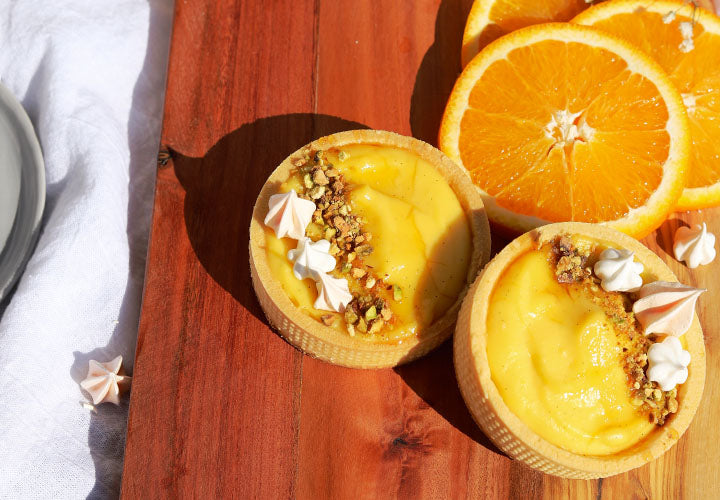
This decadent dessert recipe comes to us courtesy of Jessica Sheridan at Mangio, Mangiamo. You can visit her website for more amazing recipes like this one.
Yield: 2-3 servings
- Chill and briefly freeze tart dough before baking to keep crisp, and bake at 325 F until just golden.
- Temper eggs and strain the custard for a silky vanilla pastry cream; press plastic onto the surface to prevent a skin.
- Dry meringue cookies low and slow at 200 F, then leave them in the turned-off oven to fully dry for a crisp finish.
Spices
Featured in this Recipe
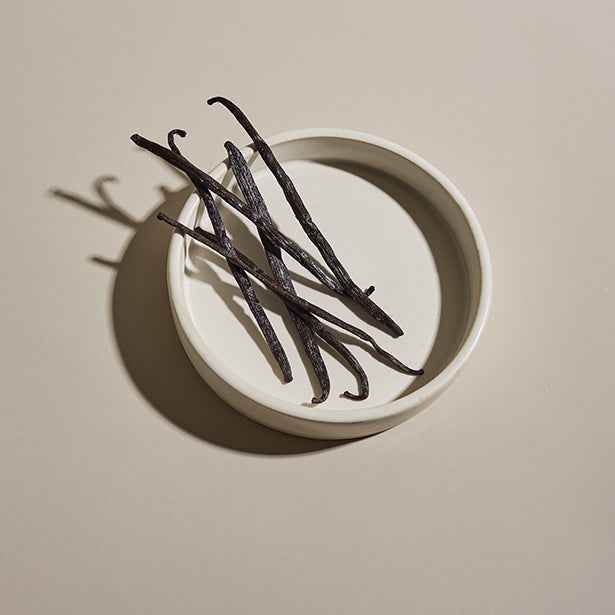

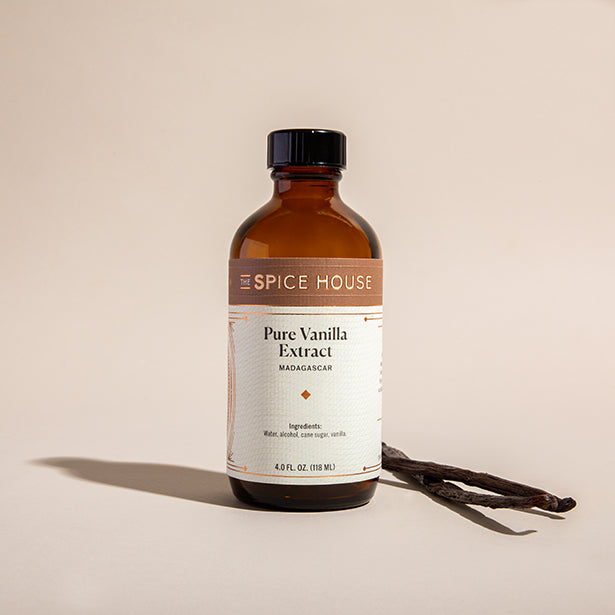

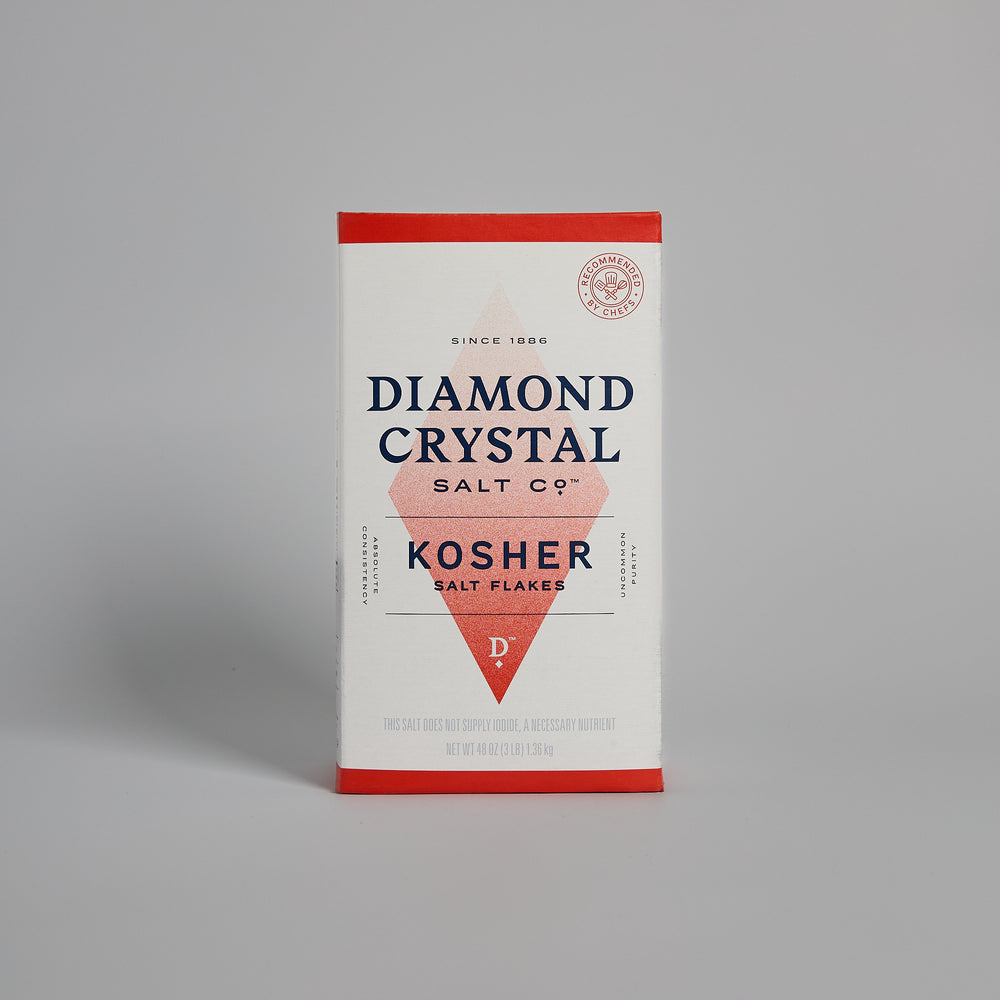

Preparation Instructions:

thespicehouse.com
Frequently Asked Questions
There seems to be a typo in the crust ingredients. What are the correct amounts?
Yes—there is a small error. For the crust use: 3 1/3 cups all-purpose flour (450 g), 1/2 teaspoon salt, 2 sticks unsalted butter (cubed), 6 egg yolks, 1 2/3 cups powdered sugar (about 160 g), and 1 teaspoon vanilla extract. The recipe text mistakenly repeats powdered sugar where vanilla should be.
How do I keep tart shells from getting soggy once filled?
Chill then freeze the formed shells before baking so they hold their shape. Blind-bake until just golden at 325 F. For extra protection, brush the cooled shells with a thin layer of melted chocolate or a lightly beaten egg white, then let it set before filling. Only fill right before serving to avoid moisture transfer.
How can I prevent lumps or curdling in the pastry cream?
Whisk the egg yolks and sugar until pale, add cornstarch and whisk smooth, then temper the yolk mixture by whisking in a small amount of hot milk first. Return it to the pan and cook while whisking until it thickens and comes to a slow boil. Strain the cooked cream into a bowl, stir in butter, and press plastic wrap directly on the surface to stop a skin from forming.
What steps make the orange blossom meringues crisp and not sticky?
Use a clean, dry bowl and room temperature egg whites. Add cream of tartar and salt, then add sugar slowly, one tablespoon at a time, until glossy and holding stiff peaks. Bake at 200 F for about an hour, then turn the oven off and leave the meringues inside for 1 to 2 hours to finish drying. Store in an airtight container away from humidity.
Can I make components ahead and how should I store them?
Yes. Baked tart shells: store airtight at room temperature for 2–3 days or freeze up to 1 month. Pastry cream: refrigerate up to 3–4 days. Meringue cookies: keep in an airtight container at room temperature for about 1 week. Assemble tarts the day you serve for best texture, since meringues soften on moist filling.
What are good substitutions if I don’t have a vanilla bean or orange blossom water?
For vanilla bean swap: use 1 to 1.5 teaspoons pure vanilla extract per half vanilla bean. For orange blossom water: replace with 1/2 to 3/4 teaspoon orange extract, but use less because extract is stronger. For cornstarch, use arrowroot or tapioca starch 1:1. Be cautious substituting milk with plant milks; full-fat dairy gives the most traditional texture in pastry cream.
Troubleshooting: my pastry cream cracked, crust was greasy, or meringues wept. What fixes help?
Cracked or curdled pastry cream usually means it overheated; strain it and whisk to smooth, then chill. Greasy crust can come from warm butter or overmixing—chill the dough well and handle it minimally. Weeping meringues mean the sugar didn’t dissolve or they were underdried or exposed to humidity; try re-drying briefly in a low oven and store airtight in a dry place.
There seems to be a typo in the crust ingredients. What are the correct amounts?
Yes—there is a small error. For the crust use: 3 1/3 cups all-purpose flour (450 g), 1/2 teaspoon salt, 2 sticks unsalted butter (cubed), 6 egg yolks, 1 2/3 cups powdered sugar (about 160 g), and 1 teaspoon vanilla extract. The recipe text mistakenly repeats powdered sugar where vanilla should be.
How do I keep tart shells from getting soggy once filled?
Chill then freeze the formed shells before baking so they hold their shape. Blind-bake until just golden at 325 F. For extra protection, brush the cooled shells with a thin layer of melted chocolate or a lightly beaten egg white, then let it set before filling. Only fill right before serving to avoid moisture transfer.
How can I prevent lumps or curdling in the pastry cream?
Whisk the egg yolks and sugar until pale, add cornstarch and whisk smooth, then temper the yolk mixture by whisking in a small amount of hot milk first. Return it to the pan and cook while whisking until it thickens and comes to a slow boil. Strain the cooked cream into a bowl, stir in butter, and press plastic wrap directly on the surface to stop a skin from forming.
What steps make the orange blossom meringues crisp and not sticky?
Use a clean, dry bowl and room temperature egg whites. Add cream of tartar and salt, then add sugar slowly, one tablespoon at a time, until glossy and holding stiff peaks. Bake at 200 F for about an hour, then turn the oven off and leave the meringues inside for 1 to 2 hours to finish drying. Store in an airtight container away from humidity.
Can I make components ahead and how should I store them?
Yes. Baked tart shells: store airtight at room temperature for 2–3 days or freeze up to 1 month. Pastry cream: refrigerate up to 3–4 days. Meringue cookies: keep in an airtight container at room temperature for about 1 week. Assemble tarts the day you serve for best texture, since meringues soften on moist filling.
What are good substitutions if I don’t have a vanilla bean or orange blossom water?
For vanilla bean swap: use 1 to 1.5 teaspoons pure vanilla extract per half vanilla bean. For orange blossom water: replace with 1/2 to 3/4 teaspoon orange extract, but use less because extract is stronger. For cornstarch, use arrowroot or tapioca starch 1:1. Be cautious substituting milk with plant milks; full-fat dairy gives the most traditional texture in pastry cream.
Troubleshooting: my pastry cream cracked, crust was greasy, or meringues wept. What fixes help?
Cracked or curdled pastry cream usually means it overheated; strain it and whisk to smooth, then chill. Greasy crust can come from warm butter or overmixing—chill the dough well and handle it minimally. Weeping meringues mean the sugar didn’t dissolve or they were underdried or exposed to humidity; try re-drying briefly in a low oven and store airtight in a dry place.
Comments