Basic Scones
Easy basic scone recipe with mix-in ideas, buttermilk swap, storage tips, and how to keep scones flaky and tender.

After searching all over for the real scone recipe I synthesized my own. It lends itself well to personalizing with your own additions: sweet spices, dried fruits, peels, extracts, almost all available in the best quality from The Spice House.
Submitted by: Stephen Gross from Des Moines, Iowa
Yield: 12 large scones
- Keep the butter cold and work quickly for a tender, flaky crumb.
- Mix wet and dry just until a smooth dough; do not overbeat.
- The recipe is highly adaptable: swap fruits, nuts, or extracts to customize flavors.
Spices
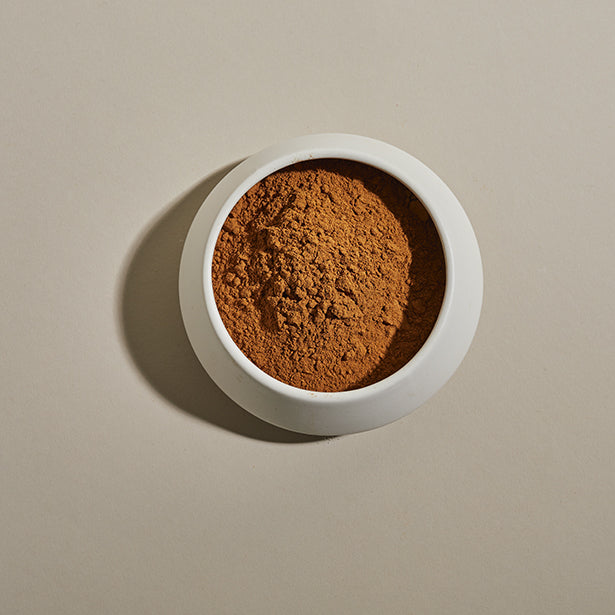
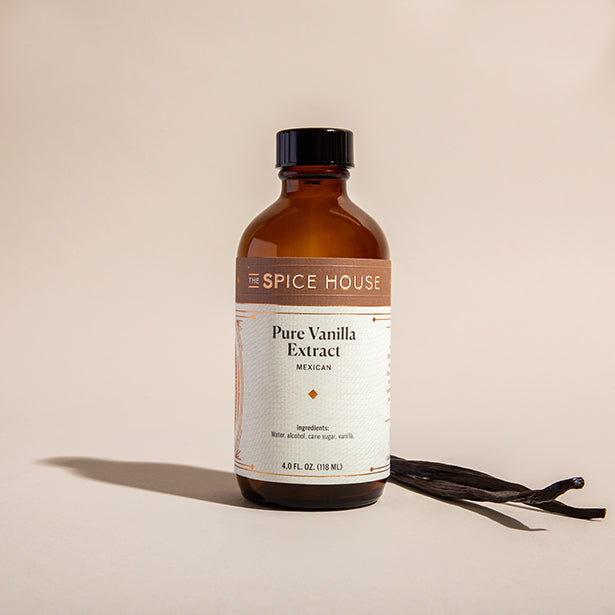
Featured in this Recipe


Preparation Instructions:

thespicehouse.com
More About This Recipe
Frequently Asked Questions
Can I use whole wheat flour instead of all-purpose?
Yes. You can use part or all whole wheat, but expect a denser, slightly drier scone. Try substituting half whole wheat first, or use white whole wheat for a milder taste. You may need a splash more liquid and a couple extra minutes of baking time.
What can I use if I do not have buttermilk?
Make a quick buttermilk substitute by adding 1 tablespoon lemon juice or white vinegar to 3/4 cup milk. Let it sit 5 minutes until it thickens slightly, then use as directed.
I do not have a food processor. How else can I cut in the butter?
No processor needed. Use a box grater to grate cold butter, a pastry cutter, two knives, or rub butter into the flour with your fingertips until pieces are pea sized. Keep everything cold and work fast.
How do I keep scones flaky and tender?
Use very cold butter and cut it into the dry ingredients so small bits remain visible. Mix wet and dry only until the dough comes together. Handle the dough gently and bake right away to keep steam pockets that make scones flaky.
How should I store or freeze scones?
Store fully cooled scones in an airtight container at room temperature for up to 2 days or in the refrigerator up to 5 days. Freeze baked scones up to 2 months. For unbaked scones, freeze shaped pieces on a tray, then transfer to a bag and bake from frozen, adding a few minutes to the baking time.
What mix-ins and extracts work best?
This recipe is flexible. Try golden raisins, dried cranberries, chopped nuts, or citrus peels. Use 1 teaspoon orange extract with cranberries, or almond extract with chopped almonds. The recipe suggests avoiding chocolate chips if you want a traditional scone flavor.
Can I shape scones into wedges or use a biscuit cutter?
Yes. You can drop by heaping tablespoons for rustic scones, pat the dough into a round and cut wedges, or use a cutter for individual rounds. If pieces are larger, add a few extra minutes to the 15 to 20 minute bake time at 400 degrees F.
How do I know when scones are done?
They should be golden brown on top and feel set in the center. A toothpick may show a few moist crumbs because scones are tender. If the top and bottoms are golden and the center springs back, they are done.
Can I use whole wheat flour instead of all-purpose?
Yes. You can use part or all whole wheat, but expect a denser, slightly drier scone. Try substituting half whole wheat first, or use white whole wheat for a milder taste. You may need a splash more liquid and a couple extra minutes of baking time.
What can I use if I do not have buttermilk?
Make a quick buttermilk substitute by adding 1 tablespoon lemon juice or white vinegar to 3/4 cup milk. Let it sit 5 minutes until it thickens slightly, then use as directed.
I do not have a food processor. How else can I cut in the butter?
No processor needed. Use a box grater to grate cold butter, a pastry cutter, two knives, or rub butter into the flour with your fingertips until pieces are pea sized. Keep everything cold and work fast.
How do I keep scones flaky and tender?
Use very cold butter and cut it into the dry ingredients so small bits remain visible. Mix wet and dry only until the dough comes together. Handle the dough gently and bake right away to keep steam pockets that make scones flaky.
How should I store or freeze scones?
Store fully cooled scones in an airtight container at room temperature for up to 2 days or in the refrigerator up to 5 days. Freeze baked scones up to 2 months. For unbaked scones, freeze shaped pieces on a tray, then transfer to a bag and bake from frozen, adding a few minutes to the baking time.
What mix-ins and extracts work best?
This recipe is flexible. Try golden raisins, dried cranberries, chopped nuts, or citrus peels. Use 1 teaspoon orange extract with cranberries, or almond extract with chopped almonds. The recipe suggests avoiding chocolate chips if you want a traditional scone flavor.
Can I shape scones into wedges or use a biscuit cutter?
Yes. You can drop by heaping tablespoons for rustic scones, pat the dough into a round and cut wedges, or use a cutter for individual rounds. If pieces are larger, add a few extra minutes to the 15 to 20 minute bake time at 400 degrees F.
How do I know when scones are done?
They should be golden brown on top and feel set in the center. A toothpick may show a few moist crumbs because scones are tender. If the top and bottoms are golden and the center springs back, they are done.
Comments