Curry Fried Chicken
Crispy curry-breaded fried chicken brined in buttermilk with bay leaves and onion. Tips for oil, spice, cook times and reheating.
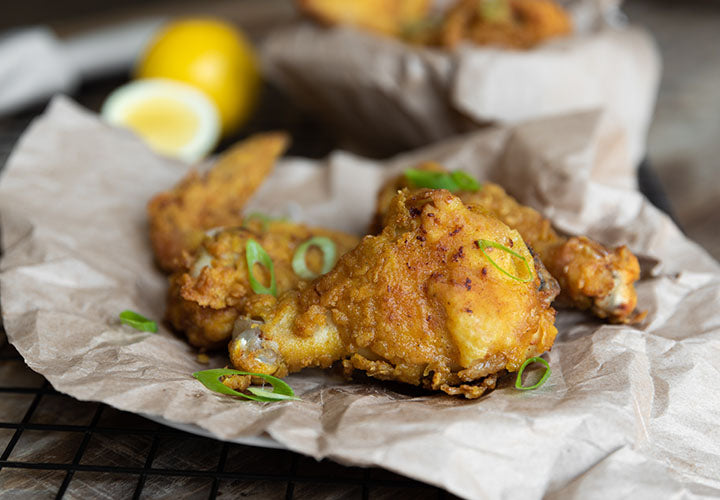
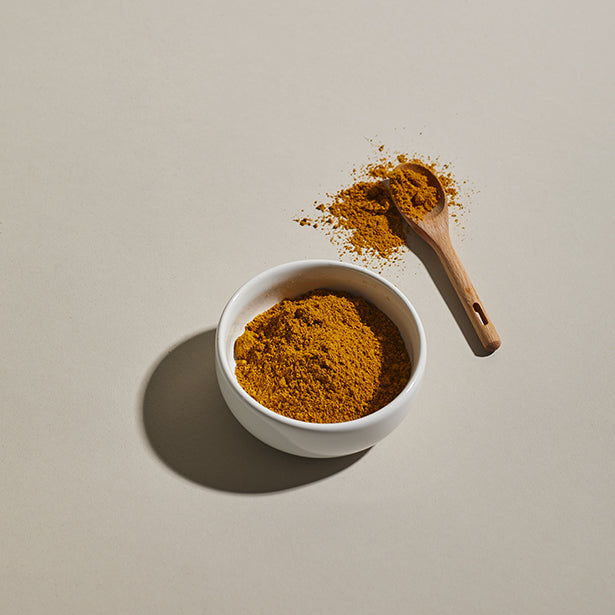
This recipe calls for sweet curry powder, but you can use any curry you like. Add some ground cayenne for more heat or add some Louisiana-style hot sauce to the buttermilk brine.
Recipe by: Geoff Marshall in Chicago
Yield: 10 pieces
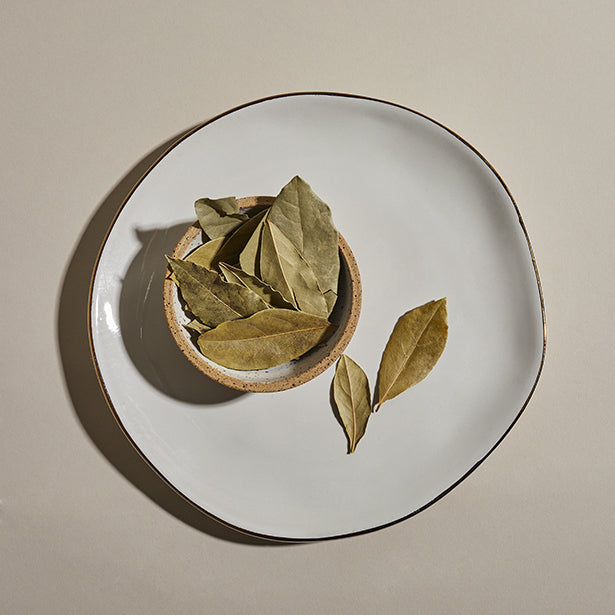
- Brine pieces in buttermilk with bay leaves and onion for at least 8 hours to add flavor and tenderize.
- Coat with a curry-spiced flour, let the coating re-wet, then dredge again for a thicker, crisp crust.
- Fry at 350°F until internal temp hits 165°F; use high smoke point oil and 4–5 lb fryer chicken for best results.
Spices
Featured in this Recipe




Preparation Instructions:

thespicehouse.com
More About This Recipe
Frequently Asked Questions
How long should I brine the chicken?
Brine at least 8 hours or overnight for best flavor and juiciness. You can brine up to 24 hours, but avoid much longer to prevent a mushy texture.
Can I use boneless chicken or smaller pieces?
Yes. Boneless or smaller pieces work, but they cook faster. Monitor internal temperature and aim for 165°F to avoid overcooking.
How do I make it spicier or milder?
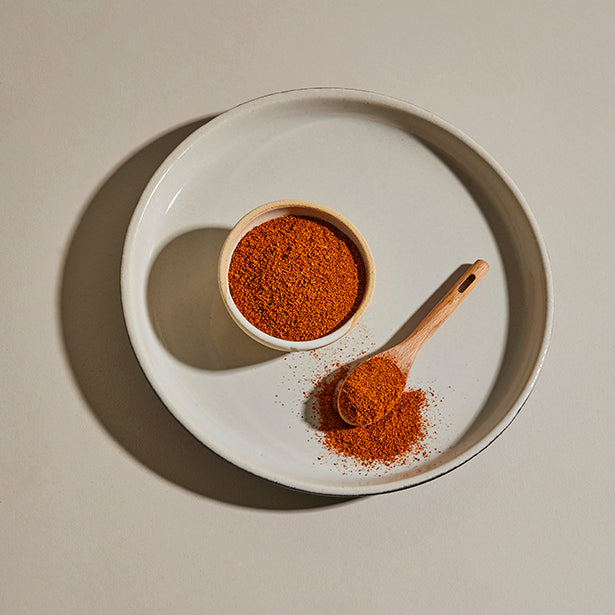
For more heat add ground cayenne to the flour or a few teaspoons of hot sauce to the buttermilk. To mellow it, use a milder curry powder or reduce the curry quantity.
What oil should I use and why not olive oil?
Use high smoke point oils like peanut, vegetable, canola, or coconut. Olive oil smokes and can give a burned or off taste when deep frying.
How can I tell the oil is 350°F without a thermometer?
Drop a small cube of bread or a pinch of flour into the oil. It should sizzle and brown in about 45 to 60 seconds. A steady stream of bubbles around a wooden spoon handle also indicates ready oil. A thermometer is best for accuracy.
Why do I let the coated chicken sit and re-dredge it?
Letting the first coat sit lets the flour absorb moisture and become tacky. Redredging gives a thicker, crunchier crust that sticks better during frying.
Can I bake this instead of frying?
Yes. Bake on a wire rack at 425°F until pieces reach 165°F. The crust will be less deep-fried crisp but still tasty. Flip once for even browning.
How should I store and reheat leftovers?
Refrigerate within two hours in an airtight container for 3 to 4 days. Reheat in a 375°F oven or air fryer until hot and crisp, about 8 to 12 minutes.
How long should I brine the chicken?
Brine at least 8 hours or overnight for best flavor and juiciness. You can brine up to 24 hours, but avoid much longer to prevent a mushy texture.
Can I use boneless chicken or smaller pieces?
Yes. Boneless or smaller pieces work, but they cook faster. Monitor internal temperature and aim for 165°F to avoid overcooking.
How do I make it spicier or milder?
For more heat add ground cayenne to the flour or a few teaspoons of hot sauce to the buttermilk. To mellow it, use a milder curry powder or reduce the curry quantity.
What oil should I use and why not olive oil?
Use high smoke point oils like peanut, vegetable, canola, or coconut. Olive oil smokes and can give a burned or off taste when deep frying.
How can I tell the oil is 350°F without a thermometer?
Drop a small cube of bread or a pinch of flour into the oil. It should sizzle and brown in about 45 to 60 seconds. A steady stream of bubbles around a wooden spoon handle also indicates ready oil. A thermometer is best for accuracy.
Why do I let the coated chicken sit and re-dredge it?
Letting the first coat sit lets the flour absorb moisture and become tacky. Redredging gives a thicker, crunchier crust that sticks better during frying.
Can I bake this instead of frying?
Yes. Bake on a wire rack at 425°F until pieces reach 165°F. The crust will be less deep-fried crisp but still tasty. Flip once for even browning.
How should I store and reheat leftovers?
Refrigerate within two hours in an airtight container for 3 to 4 days. Reheat in a 375°F oven or air fryer until hot and crisp, about 8 to 12 minutes.
Comments