Homemade Dijon Mustard
Make smooth or coarse Dijon-style mustard with wine and vinegar. Storage, heat, and substitution tips for best results.

The addition of white wine vinegar is what gives Dijon mustard its distinct flavor. Try this homemade mustard recipe on a toasted ham and Swiss sandwich, or incorporate it into your favorite sauce and dressing recipes.
- Soak mustard seeds in white wine and white wine vinegar for at least 8 hours to develop classic Dijon flavor.
- Blend to desired texture: short pulses for coarse mustard, long blending for smooth mustard.
- Store in a clean jar in the refrigerator. Use within roughly 2 weeks to 2 months and discard if it smells off or shows mold.
Spices
Featured in this Recipe
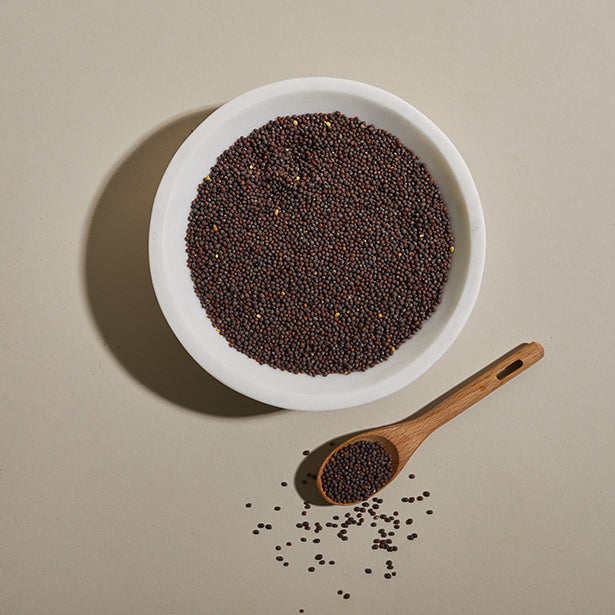

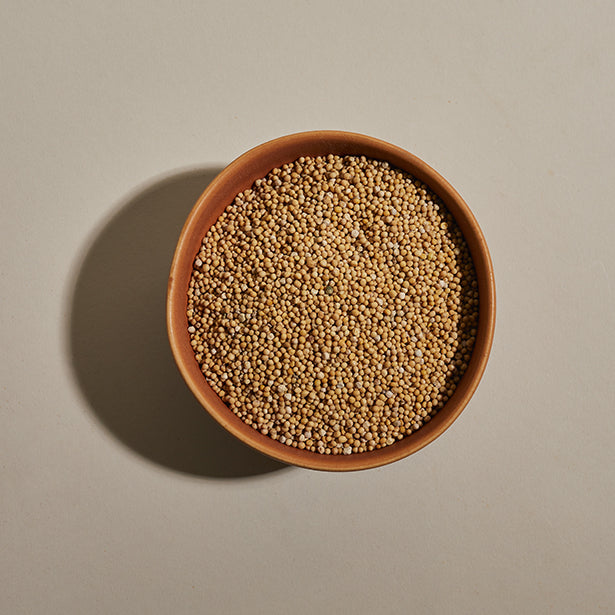


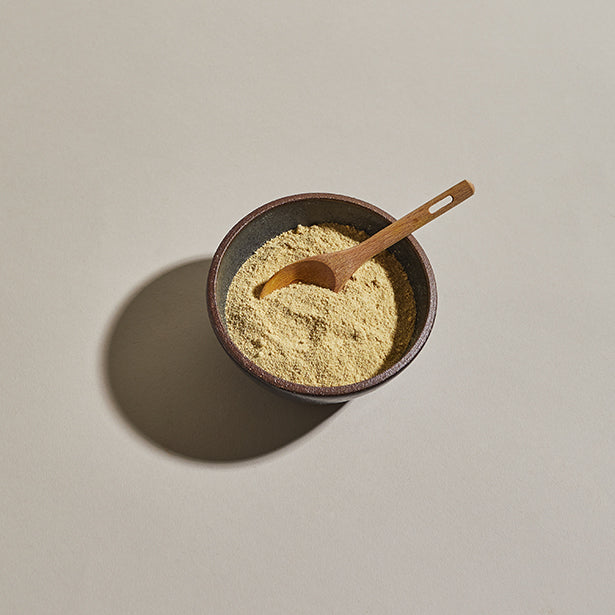

Preparation Instructions:

thespicehouse.com
Frequently Asked Questions
What gives this mustard its Dijon flavor?
The white wine vinegar and dry white wine are the main flavor drivers. The vinegar adds sharpness while the wine adds depth, together creating the tangy signature of Dijon-style mustard.
Can I substitute the white wine or white wine vinegar?
Yes. Swap white wine vinegar for apple cider or sherry vinegar for different notes. If you need a nonalcoholic option replace the wine with extra vinegar, white grape juice, or water, but expect a change in flavor.
How do I make the mustard smooth or coarse?
Blend briefly for a chunky texture and longer for a silky paste. A food processor gives more control; pulse to keep seeds whole or run continuously for smoothness.
How long should I soak the seeds before blending?
Soak at least 8 hours as the recipe says. Overnight is common and makes the flavor meld. Longer soaking in the acidic mix tends to mellow heat.
How long does homemade Dijon mustard keep?
Stored in a clean, airtight jar in the refrigerator it will keep roughly 2 weeks to 2 months. Acidity and cleanliness affect shelf life. Discard if you see mold or notice an off smell or color.
How can I make the mustard hotter or milder?
Use more brown mustard seed for extra heat, or increase yellow seed for a milder taste. For a hotter punch, soak seeds briefly in warm water before adding vinegar. You can also add horseradish or cayenne to boost heat.
Can I scale the recipe up or down?
Yes. Keep the ingredient proportions the same and allow the same soak time. Larger batches need the same contact time for flavors to develop.
Is this homemade mustard safe to eat?
Yes when prepared with the stated vinegar and wine and stored refrigerated. Use clean utensils and jars. If it develops mold, an off odor, or strange color, throw it out.
What gives this mustard its Dijon flavor?
The white wine vinegar and dry white wine are the main flavor drivers. The vinegar adds sharpness while the wine adds depth, together creating the tangy signature of Dijon-style mustard.
Can I substitute the white wine or white wine vinegar?
Yes. Swap white wine vinegar for apple cider or sherry vinegar for different notes. If you need a nonalcoholic option replace the wine with extra vinegar, white grape juice, or water, but expect a change in flavor.
How do I make the mustard smooth or coarse?
Blend briefly for a chunky texture and longer for a silky paste. A food processor gives more control; pulse to keep seeds whole or run continuously for smoothness.
How long should I soak the seeds before blending?
Soak at least 8 hours as the recipe says. Overnight is common and makes the flavor meld. Longer soaking in the acidic mix tends to mellow heat.
How long does homemade Dijon mustard keep?
Stored in a clean, airtight jar in the refrigerator it will keep roughly 2 weeks to 2 months. Acidity and cleanliness affect shelf life. Discard if you see mold or notice an off smell or color.
How can I make the mustard hotter or milder?
Use more brown mustard seed for extra heat, or increase yellow seed for a milder taste. For a hotter punch, soak seeds briefly in warm water before adding vinegar. You can also add horseradish or cayenne to boost heat.
Can I scale the recipe up or down?
Yes. Keep the ingredient proportions the same and allow the same soak time. Larger batches need the same contact time for flavors to develop.
Is this homemade mustard safe to eat?
Yes when prepared with the stated vinegar and wine and stored refrigerated. Use clean utensils and jars. If it develops mold, an off odor, or strange color, throw it out.
I have a lemon tree in the house and will be sure to make the marmalade. I have gotten your spices before and have been very pleased. I always buy my saffron and garlic powder from you and am very pleased. Thanks, Jan Wilzius