12.06.2019
How to Use Cinnamon Sticks
Learn how to use cinnamon sticks: choose Ceylon, Korintje or Saigon; extract flavor for drinks and stews, store and reuse sticks, and swap with ground cinnamon.
- Pick the right variety: Ceylon is delicate; Korintje is the classic baking cinnamon; Saigon is very strong and sweet.
- Extract flavor by simmering, steeping like tea, or making syrups; whole sticks work best for long, clear infusions.
- Store sticks airtight in a cool, dark place; rinse and dry sticks to reuse until their flavor fades.
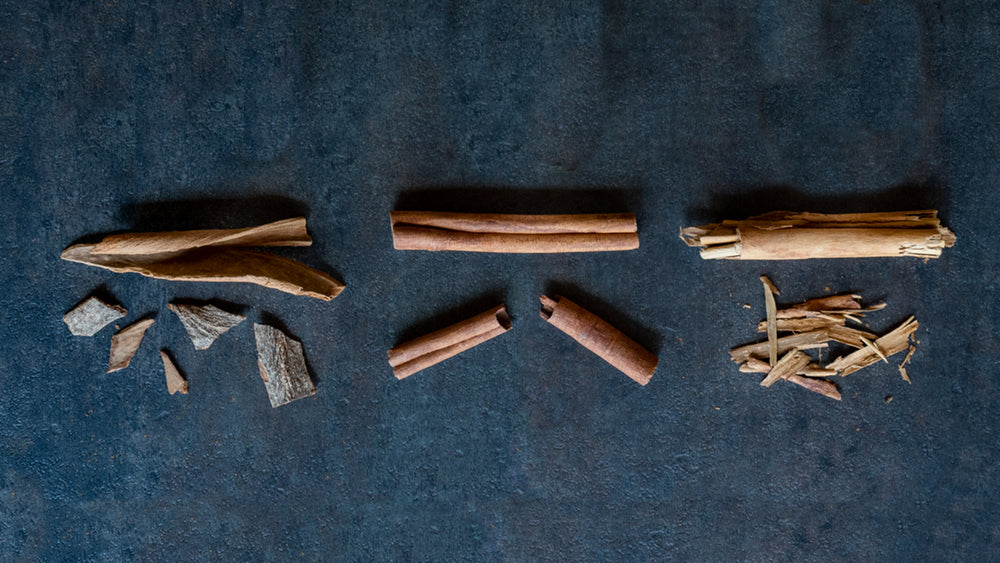

It is the world’s most beloved bark. You’ll find it in bakery treats and breakfast cereals, in savory stews and soups, in a mug of hot chocolate, or in lamb on the grill in Mumbai or Milwaukee. Cinnamon is used around the world: from Asia (where the vast majority of cinnamon is grown) to the Americas, to Africa, Europe, and the Middle East. The world loves this spice.
Just What Is Cinnamon, Anyway?
Cinnamon is the bark of trees in the genus Cinnamomum, an evergreen in the laurel family. It grows in the tropics and subtropics around the globe. Today, the vast majority of the world’s cinnamon grows in Indonesia, China, Vietnam, and Sri Lanka.
 The Spice House carries three distinct varieties of cinnamon: Ceylon and two cassia varieties.
Our Ceylon cinnamon, called “true cinnamon,” is cultivated in Sri Lanka. It is the cinnamon you will encounter most frequently in Mexico and in Europe, adding a subtle, citrusy flavor to puddings, pastries, and poached fruit.
The first of our cassia varieties is Korintje cinnamon from Indonesia. Smooth and mellow, this is the cinnamon most bakers choose.
The second cassia variety is our Saigon cinnamon from Vietnam. It is, by far, the strongest and sweetest variety in our collection. Its sweet and spicy flavor is perfect in any recipe where cinnamon takes center stage.
Cinnamon sticks are called quills and they are the curled bark of the tree. And there any number of things an inventive cook can do with them!
Korintje Cassia Cinnamon Sticks
 Cut and washed, our Korintje Cassia Cinnamon sticks are grade AA and grown in Sumatra. Indonesian cinnamon is the smooth flavor most of us associate with childhood. This quill length is practical for canning, spiced cider, and mulled wines. And they can be used as straws or stirrers for punches or eggnog. Rinsed and dried, Korintje Cinnamon Sticks can be reused until the flavor dissipates. And throwing one in a pot of simmering water on your stove will give your whole home a scent perfect for the winter months.
Phở is one of the world’s great multicultural dishes: French-influenced, but perfected in Vietnam’s home kitchens long after the colonial era. The depth of flavor is often astounding and the spice-profile is essential in building the layers that are expected in one of the world’s great dishes. Our vegan version, made with mushrooms, does not disappoint. Spices normally associated with sweets and baking in the west lend complex aromatics to the savory broth.

Ceylon Cinnamon Sticks
 There is something exquisitely delicate about Ceylon cinnamon: the bark is almost papery, you can break it easily between your fingers. And the flavor is subtle. So it seems appropriate that the recipes we are going to recommend highlight this careful player in building flavor.
A simple cup of canela tea will make the point better than almost any other recipe: unadulterated Ceylon cinnamon flavor, opened up by the heat and the water. And the cinnamon clove syrup recipe below will keep Ceylon cinnamon’s flavor easily at hand for any cook who is smitten with the spice. Try serving it over fresh melon or ice-cream for a cool dessert on a summer evening.
Cinnamon Clove Syrup

Addendum: We can’t not mention Mexico’s love affair with Ceylon cinnamon. Café con Canela is a mainstay at breakfast tables from Veracruz to Austin, Texas. Toss a few pieces of a cinnamon stick into your coffee grinder along with your favorite beans. Exquisito!
And mole has not only ancho chiles at the core of its dark red-brown heart but cinnamon, too. But that deserves a whole blog post of its own...
Saigon Cassia Cinnamon
 Vietnamese cinnamon is the over-achiever in the cinnamon department. With an unbelievably high 5-7% oil content, our Saigon Cassia cinnamon pieces are strong and spicy. Once you taste it, it’s hard to go back to “ordinary” cinnamon. We offer bark pieces anywhere from 1 - 8 inches.
Use them for extra flavor wherever a regular cinnamon stick is called for, like this recipe for North African Style Stewed Chicken.
North African Stewed Chicken

Article by Seán Collins, Staff Writer
Frequently Asked Questions
What exactly is a cinnamon stick and which varieties are common?
A cinnamon stick is the curled bark from trees in the Cinnamomum family. Common varieties are Ceylon (true cinnamon), Korintje cassia from Indonesia, and Saigon cassia from Vietnam. Ceylon is thin and delicate with a subtle, citrusy note. Korintje is smooth and mellow, a baker favorite. Saigon is bold, sweet, and high in oil, so it packs the most punch.
Which cinnamon stick should I use for baking or savory dishes?
Use Korintje for most baking because it gives a familiar, mild cinnamon flavor. Choose Saigon when cinnamon should stand out, such as in spiced syrups or strong broths. Pick Ceylon for delicate desserts, teas, or Mexican-style coffee where a subtle, refined flavor is best.
How do I get the most flavor from a cinnamon stick?
Break a stick into pieces if needed, then simmer or steep it in the liquid. For long-cooked dishes and broths add it early to build depth. For drinks and teas steep in hot but not boiling water to release aroma. You can also infuse simple syrup by simmering sticks in a sugar-water mix.
Can I reuse a cinnamon stick?
Yes. Rinse and dry sticks after use and reuse them until their flavor weakens. Korintje sticks are especially durable. For the strongest flavor in a final dish, use fresh sticks or add a fresh piece near the end.
How should I store cinnamon sticks and how long do they last?
Keep sticks in an airtight container away from heat and light. Whole sticks retain flavor far longer than ground cinnamon. Stored properly, whole sticks stay flavorful for about one to three years; ground cinnamon loses strength faster.
How do I substitute ground cinnamon for a stick?
Use about 1/2 to 1 teaspoon of ground cinnamon per cinnamon stick, depending on the stick size and variety. Start with less, then taste and add more if needed. Note that ground cinnamon disperses through a dish, while a stick gives a gentler, clearer infusion.
Can I grind cinnamon sticks at home?
Yes. Break sticks into small pieces, then grind them in a spice or coffee grinder reserved for spices. A mortar and pestle also works for small amounts. Freshly ground bark is very fragrant but will lose intensity faster than whole sticks.
What are some nonculinary uses for cinnamon sticks?
Use sticks as drink stirrers or decorative straws for punches and eggnog. Simmer sticks in water on the stove with citrus or cloves to scent your home. You can also add small pieces to potluck spice sachets or holiday decorations for aroma.
What exactly is a cinnamon stick and which varieties are common?
A cinnamon stick is the curled bark from trees in the Cinnamomum family. Common varieties are Ceylon (true cinnamon), Korintje cassia from Indonesia, and Saigon cassia from Vietnam. Ceylon is thin and delicate with a subtle, citrusy note. Korintje is smooth and mellow, a baker favorite. Saigon is bold, sweet, and high in oil, so it packs the most punch.
Which cinnamon stick should I use for baking or savory dishes?
Use Korintje for most baking because it gives a familiar, mild cinnamon flavor. Choose Saigon when cinnamon should stand out, such as in spiced syrups or strong broths. Pick Ceylon for delicate desserts, teas, or Mexican-style coffee where a subtle, refined flavor is best.
How do I get the most flavor from a cinnamon stick?
Break a stick into pieces if needed, then simmer or steep it in the liquid. For long-cooked dishes and broths add it early to build depth. For drinks and teas steep in hot but not boiling water to release aroma. You can also infuse simple syrup by simmering sticks in a sugar-water mix.
Can I reuse a cinnamon stick?
Yes. Rinse and dry sticks after use and reuse them until their flavor weakens. Korintje sticks are especially durable. For the strongest flavor in a final dish, use fresh sticks or add a fresh piece near the end.
How should I store cinnamon sticks and how long do they last?
Keep sticks in an airtight container away from heat and light. Whole sticks retain flavor far longer than ground cinnamon. Stored properly, whole sticks stay flavorful for about one to three years; ground cinnamon loses strength faster.
How do I substitute ground cinnamon for a stick?
Use about 1/2 to 1 teaspoon of ground cinnamon per cinnamon stick, depending on the stick size and variety. Start with less, then taste and add more if needed. Note that ground cinnamon disperses through a dish, while a stick gives a gentler, clearer infusion.
Can I grind cinnamon sticks at home?
Yes. Break sticks into small pieces, then grind them in a spice or coffee grinder reserved for spices. A mortar and pestle also works for small amounts. Freshly ground bark is very fragrant but will lose intensity faster than whole sticks.
What are some nonculinary uses for cinnamon sticks?
Use sticks as drink stirrers or decorative straws for punches and eggnog. Simmer sticks in water on the stove with citrus or cloves to scent your home. You can also add small pieces to potluck spice sachets or holiday decorations for aroma.
Hi Joe,
Korintje cinnamon sticks are the variety most commonly found in large chain stores.
We sell Ceylon cinnamon quills, Korintje cinnamon sticks, and Vietnamese cinnamon bark pieces of the utmost, highest quality.
Is Walmart cinnamon sticks Saigon or Ceylon are they any good
Hi Pamela,
Good question. The term “Ceylon cinnamon” is historical brand name still used in the spice industry today.
Why do you call ceylon cinnamon ceylon rather than Sri Lanka cinnamon?