Chicken Curry in rich Yogurt Milk
Malaysian-style chicken curry in a creamy yogurt sauce with sweet potato and lemongrass. Tips for cooking, tempering yogurt, and storage.
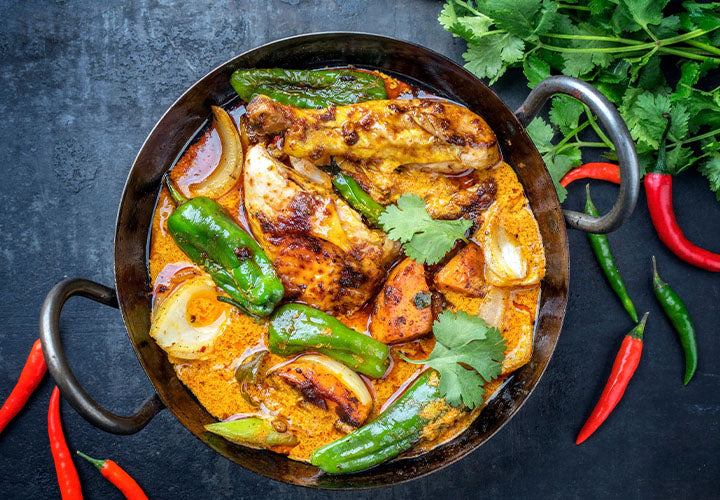
Piquant recipe from Malaysia, perfect for serving over rice with a fresh salad.
Submitted by: Mrs Lesley Nduka from Kuala Lumpur, Malaysia
Yield: 4 -6 person
- Parboil the chicken to create a flavorful broth and speed up cooking, then brown or fry for color.
- Add yogurt at the end and temper it to prevent curdling; keep the heat low after adding.
- Half-cook sweet potatoes separately so they finish tender without turning to mash.
Spices
Featured in this Recipe
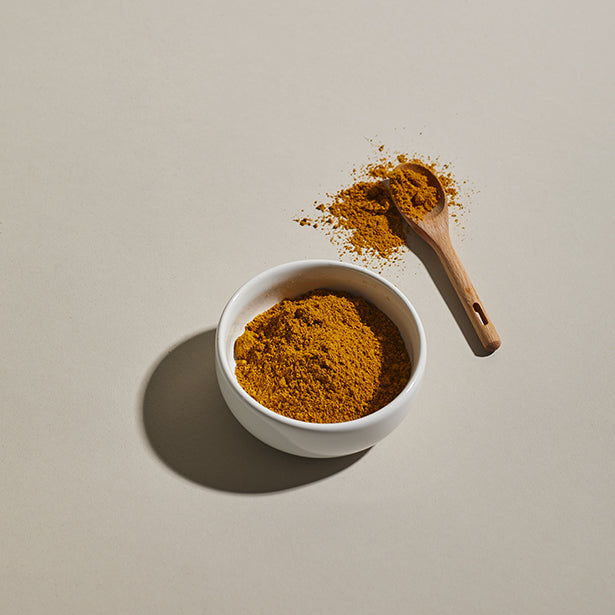

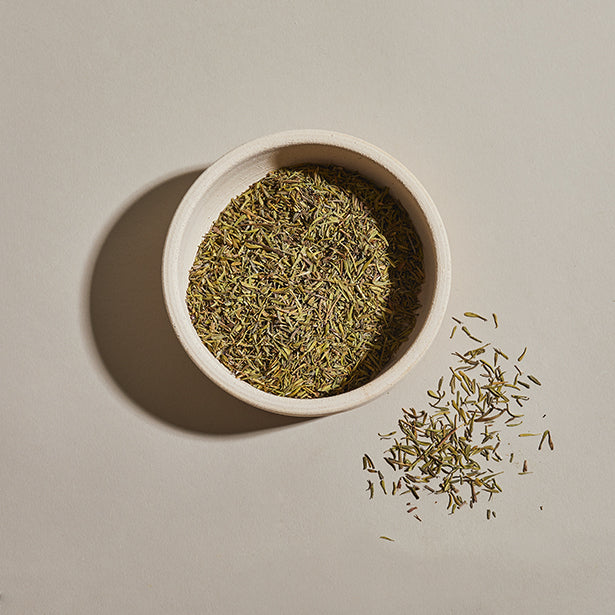

Preparation Instructions:

thespicehouse.com
More About This Recipe
Frequently Asked Questions
Why does the recipe call for boiling the chicken first?
Parboiling creates a light chicken broth that flavors the curry and starts cooking the meat so it finishes faster. After 8 to 10 minutes remove the chicken, brown it in oil for color, then simmer in the curry until the internal temperature reaches 165°F (74°C).
How do I add yogurt without it curdling?
Temper the yogurt by stirring a few tablespoons of hot curry liquid into it, then slowly mix the warmed yogurt back into the pot. Lower the heat and avoid boiling after adding yogurt to keep the sauce smooth.
Can I use coconut milk instead of yogurt?
Yes. Coconut milk or cream works well for a dairy-free, creamier curry. Add it when you would add the yogurt and simmer gently. Coconut milk yields a milder, richer taste than tangy yogurt.
How do I control the spiciness?
Adjust fresh chiles and curry powder to taste. Remove seeds from chiles to reduce heat, use fewer chiles or milder curry powder. Balance excess heat with extra yogurt or coconut milk and a small pinch of sugar if needed.
Can I make this vegetarian or vegan?
Yes. Use tofu, tempeh, chickpeas, or hearty vegetables instead of chicken. Swap yogurt for coconut yogurt or coconut milk and use vegetable stock or a veg bouillon cube instead of chicken broth.
How do I use lemongrass and should I remove it before serving?
Bruise the stalks to release oils, then thinly slice or tie bruised stalks in a bundle and simmer. You can leave finely sliced lemongrass in the curry, or remove whole stalks before serving for a cleaner texture.
How long will leftovers keep and how should I reheat them?
Keep leftovers in the fridge in a sealed container for 3 to 4 days. Reheat gently on the stove over low to medium heat until steaming. For longer storage, freeze up to 3 months and thaw overnight before reheating.
Why does the recipe call for boiling the chicken first?
Parboiling creates a light chicken broth that flavors the curry and starts cooking the meat so it finishes faster. After 8 to 10 minutes remove the chicken, brown it in oil for color, then simmer in the curry until the internal temperature reaches 165°F (74°C).
How do I add yogurt without it curdling?
Temper the yogurt by stirring a few tablespoons of hot curry liquid into it, then slowly mix the warmed yogurt back into the pot. Lower the heat and avoid boiling after adding yogurt to keep the sauce smooth.
Can I use coconut milk instead of yogurt?
Yes. Coconut milk or cream works well for a dairy-free, creamier curry. Add it when you would add the yogurt and simmer gently. Coconut milk yields a milder, richer taste than tangy yogurt.
How do I control the spiciness?
Adjust fresh chiles and curry powder to taste. Remove seeds from chiles to reduce heat, use fewer chiles or milder curry powder. Balance excess heat with extra yogurt or coconut milk and a small pinch of sugar if needed.
Can I make this vegetarian or vegan?
Yes. Use tofu, tempeh, chickpeas, or hearty vegetables instead of chicken. Swap yogurt for coconut yogurt or coconut milk and use vegetable stock or a veg bouillon cube instead of chicken broth.
How do I use lemongrass and should I remove it before serving?
Bruise the stalks to release oils, then thinly slice or tie bruised stalks in a bundle and simmer. You can leave finely sliced lemongrass in the curry, or remove whole stalks before serving for a cleaner texture.
How long will leftovers keep and how should I reheat them?
Keep leftovers in the fridge in a sealed container for 3 to 4 days. Reheat gently on the stove over low to medium heat until steaming. For longer storage, freeze up to 3 months and thaw overnight before reheating.
Comments