10.22.2021
Ask a Chef: Cooking Tips with Teri Turner AKA nocrumbsleft
Teri Turner shares 5 must-have spices, splurge ingredients, beginner recipes, and kitchen tools to boost weeknight cooking.
- Keep five versatile spices on hand: garlic powder, Aleppo pepper, sumac, oregano, and smoked Spanish sweet paprika.
- Spend extra on a few finishers like sheep's milk feta, a good finishing olive oil, high quality balsamic, and great spices.
- Start simple: roast chicken, a basic stir fry, Greek salad, and easy citrus roast chicken are great beginner dishes.

Working at The Spice House connects us with some of the world’s most passionate cooks, chefs, and culinary experts. Ask a Chef is a series where we lean on the expertise of our culinary friends and partners to help everyday cooks make more delicious food at home.
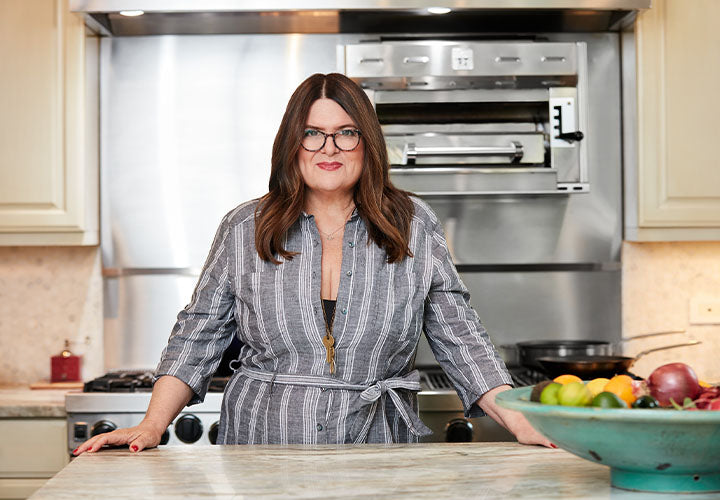
We sat down with Teri Turner, founder of nocrumbsleft. Teri is also is a Master Collaborator, Blogger, Food Columnist, regular contributor to Whole30 and editor @thefeedfeed.
What is your culinary specialty or field of expertise?
I’m a home cook who loves to eat. I specialize in offering inspiration for everyday cooking. My specialty is beautiful soups, sumptuous salads, lovely sandwiches, and what to make next for dinner.
What are the top 5 spices or seasonings you always keep on hand?
It just makes everything taste better--there is simply nothing better than a skirt steak with salt and garlic powder. I add it to my Weeknight Chicken Stir Fry or roast chicken, too.
This is my favorite pepper. It’s got a fabulous tang and a perfect balance of heat. It’s a go-to for everyday cooking! It’s one of the stars of the show in my Spiced Pork Tenderloin.
This is another go-to. I use it everywhere you’d use cumin. It’s spectacular with my Clementine Sumac Roast Chicken, a burger, or eggs, and lovely in a salad dressing.
Oregano is in my legendary Marinated Red Onions, and I’m pleased to say that this popular recipe has everything to do with delicious oregano.
Whether in my Guajillo Chile Meatballs, meatloaf, stew, or sauce, smoked sweet paprika (or smoked hot paprika, or sweet Hungarian!) is a must-add in your everyday cooking.
What are a few cooking ingredients home cooks should spend extra for?
Sheep’s milk feta, a good olive oil for finishing, and a high quality balsamic vinegar.
High quality, amazing spices are the most inexpensive way to completely revolutionize your cooking. Fantastic spice blends will take any dish next level.
Are there certain recipes beginner cooks should try first?
My Everyday Roast Chicken Breast, a simple stir fry, a Greek salad, and my Grapefruit Roast Chicken.
Do you have any favorite tools or equipment in your kitchen?
A high-quality Made In knife, a good garlic press, and our beautiful nocrumbsleft pottery.
What are your greatest sources for culinary inspiration?
My partner Roy, and my sister PS. In the 80s, Martha Stewart had a huge impact on me. My mother’s love of music paved the way to my love for cooking.
What about cooking inspires you the most?
It’s the magic of getting in the kitchen with a few simple ingredients and coming up with something absolutely delicious, and sharing it with friends.
Teri’s Featured Recipe
My new pork tenderloin can take you from a beautiful dinner to a salad and sandwich the following day. It’s fun to cook smart and make the week easier.
Spiced Pork Tenderloin

Frequently Asked Questions
What are Teri Turner's top 5 spices and how does she use them?
Teri relies on garlic powder for everyday savory boost; Aleppo pepper for tangy, mild heat; sumac for citrusy brightness in place of cumin or lemon; oregano for salads and marinated onions; and smoked Spanish sweet paprika to add depth to meats, stews, and sauces.
How do I use Aleppo pepper in everyday cooking?
Treat Aleppo pepper like a finishing or seasoning pepper. Start with 1/4 to 1/2 teaspoon per dish, then adjust. Sprinkle it on roasted meats, eggs, salads, or add it to rubs and dressings for a mild, fruity heat.
What can I use instead of sumac if I do not have it?
If you do not have sumac, use fresh lemon zest plus a pinch of sea salt for brightness. You can also try lemon juice or a small amount of pomegranate molasses for tartness. None match sumac exactly, so taste and adjust.
How should I store spices to keep them fresh and flavorful?
Store spices in airtight containers away from heat, light, and humidity. Keep them in a cool cabinet, not over the stove. Whole spices last longest. Ground spices are best used within 6 to 12 months for peak flavor.
How can I tell if a spice is high quality?
Good spices smell strong and vivid in color. Buy from reputable sellers, check origin if listed, and prefer smaller batches or recently roasted blends. Taste a small pinch if possible. Avoid faded, weak-smelling jars.
Which ingredients are worth splurging on and why?
Teri suggests spending more on sheep's milk feta for richer flavor, a high-quality olive oil for finishing dishes, and a top-notch balsamic for dressings and glazes. Great spices are also affordable upgrades that transform simple meals.
What recipes should beginner cooks try first?
Start with an everyday roast chicken breast, a simple stir fry, a classic Greek salad, and a grapefruit roast chicken. These build basic skills like roasting, pan-frying, balancing acid and fat, and seasoning.
What kitchen tools are worth investing in for home cooks?
Invest in a high-quality chef's knife, a reliable garlic press, and sturdy pottery or serving pieces you love. Also consider a solid cutting board, a heavy skillet, and a meat thermometer to make cooking easier and safer.
What are Teri Turner's top 5 spices and how does she use them?
Teri relies on garlic powder for everyday savory boost; Aleppo pepper for tangy, mild heat; sumac for citrusy brightness in place of cumin or lemon; oregano for salads and marinated onions; and smoked Spanish sweet paprika to add depth to meats, stews, and sauces.
How do I use Aleppo pepper in everyday cooking?
Treat Aleppo pepper like a finishing or seasoning pepper. Start with 1/4 to 1/2 teaspoon per dish, then adjust. Sprinkle it on roasted meats, eggs, salads, or add it to rubs and dressings for a mild, fruity heat.
What can I use instead of sumac if I do not have it?
If you do not have sumac, use fresh lemon zest plus a pinch of sea salt for brightness. You can also try lemon juice or a small amount of pomegranate molasses for tartness. None match sumac exactly, so taste and adjust.
How should I store spices to keep them fresh and flavorful?
Store spices in airtight containers away from heat, light, and humidity. Keep them in a cool cabinet, not over the stove. Whole spices last longest. Ground spices are best used within 6 to 12 months for peak flavor.
How can I tell if a spice is high quality?
Good spices smell strong and vivid in color. Buy from reputable sellers, check origin if listed, and prefer smaller batches or recently roasted blends. Taste a small pinch if possible. Avoid faded, weak-smelling jars.
Which ingredients are worth splurging on and why?
Teri suggests spending more on sheep's milk feta for richer flavor, a high-quality olive oil for finishing dishes, and a top-notch balsamic for dressings and glazes. Great spices are also affordable upgrades that transform simple meals.
What recipes should beginner cooks try first?
Start with an everyday roast chicken breast, a simple stir fry, a classic Greek salad, and a grapefruit roast chicken. These build basic skills like roasting, pan-frying, balancing acid and fat, and seasoning.
What kitchen tools are worth investing in for home cooks?
Invest in a high-quality chef's knife, a reliable garlic press, and sturdy pottery or serving pieces you love. Also consider a solid cutting board, a heavy skillet, and a meat thermometer to make cooking easier and safer.
Comments