Smoky & Spicy Chile Seasoning Paste
Make a smoky, spicy Oaxacan chile paste for marinades, soups, spreads. Easy steps, substitutions, and storage tips for best results.
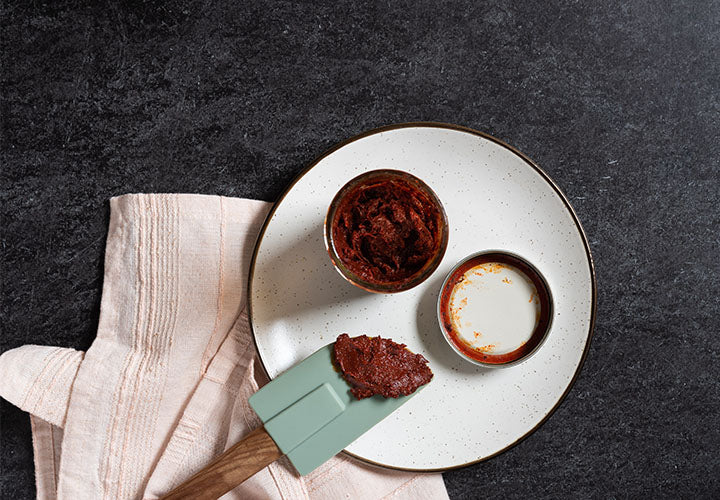
Take the time to make a jar of this sweet, spicy and smoky chile seasoning paste and you’ll have an easy flavor booster on hand for marinades, spreads, soups, beans - the possibilities are endless. Stored refrigerated in a sealed container for up to one month.
Submitted by: Alex W. from Ellsworth, WI
Yield: Approx 1 cup
- Soak and blend dried pasilla de Oaxaca and guajillo chiles, then fry the puree until it becomes a thick, brick red paste to deepen flavor.
- Use the paste as a versatile booster for marinades, spreads, soups and beans. Start small and adjust to taste.
- Store in a sealed jar in the fridge for up to one month or freeze in portions for longer storage.
Spices
Featured in this Recipe


Preparation Instructions:

thespicehouse.com
More About This Recipe
Frequently Asked Questions
What chiles do I need and can I substitute them?
This recipe uses pasilla de Oaxaca and guajillo chiles. If pasilla de Oaxaca is unavailable, swap in dried chipotle chiles for a similar smoky note. As a rough guide, 1 ounce dried chipotle equals about 8 whole peppers. You can also experiment with ancho or a mix of smoked chiles to change flavor and heat.
How spicy is the paste and how do I change the heat?
The paste is medium spicy from the guajillos and smoky from the pasilla. To make it milder, remove seeds and inner membranes, use fewer guajillos, or add sweeter chiles like ancho. To make it hotter, leave some seeds or add chipotle or arbol chiles. Always taste as you go and start with small amounts in dishes.
Why do I fry the blended chiles and how long should I cook them?
Frying the puree removes rawness, concentrates flavors, and thickens the sauce into a paste. Cook over medium high, stirring often, for about 8 to 12 minutes until it becomes a thick, brick red paste. Watch carefully and stir to prevent burning. Be careful when adding wet puree to hot oil to avoid splatter.
How should I store the chile paste and how long does it last?
Cool the paste, transfer to a clean jar with a tight lid, and refrigerate. It keeps up to one month in the fridge. For longer storage, freeze portions in an ice cube tray or small containers for 3 to 6 months and thaw in the fridge before use.
Is the paste vegan and can I use other oils?
Yes, the paste is vegan as written. You can use neutral oils like vegetable, canola, peanut, or avocado oil for frying. Use an oil with a medium to high smoke point so it does not burn while you cook the puree.
Can I can this paste for pantry shelf life?
Home canning is not recommended for this paste. It is low in acid and has ingredients that make it a food safety risk when shelf stored. Stick to refrigeration or freezing for safe storage.
How do I use the paste in recipes and how much should I add?
Use it as a marinade base, mixed into mayo or yogurt for a spread, stirred into soups, or added to beans and stews. Start with 1 teaspoon to 1 tablespoon per serving depending on desired heat. For marinades, use about 1 to 3 tablespoons per pound of meat or tofu and adjust to taste.
My paste is too thin or tastes bitter. What can I do?
If it is too thin, return it to the pan and cook a few more minutes to reduce and thicken. If it tastes bitter from overcooking or scorched bits, try blending in a little sugar, a splash of vinegar, or a small amount of tomato to balance it. If texture is gritty, blend longer or pass through a fine sieve.
What chiles do I need and can I substitute them?
This recipe uses pasilla de Oaxaca and guajillo chiles. If pasilla de Oaxaca is unavailable, swap in dried chipotle chiles for a similar smoky note. As a rough guide, 1 ounce dried chipotle equals about 8 whole peppers. You can also experiment with ancho or a mix of smoked chiles to change flavor and heat.
How spicy is the paste and how do I change the heat?
The paste is medium spicy from the guajillos and smoky from the pasilla. To make it milder, remove seeds and inner membranes, use fewer guajillos, or add sweeter chiles like ancho. To make it hotter, leave some seeds or add chipotle or arbol chiles. Always taste as you go and start with small amounts in dishes.
Why do I fry the blended chiles and how long should I cook them?
Frying the puree removes rawness, concentrates flavors, and thickens the sauce into a paste. Cook over medium high, stirring often, for about 8 to 12 minutes until it becomes a thick, brick red paste. Watch carefully and stir to prevent burning. Be careful when adding wet puree to hot oil to avoid splatter.
How should I store the chile paste and how long does it last?
Cool the paste, transfer to a clean jar with a tight lid, and refrigerate. It keeps up to one month in the fridge. For longer storage, freeze portions in an ice cube tray or small containers for 3 to 6 months and thaw in the fridge before use.
Is the paste vegan and can I use other oils?
Yes, the paste is vegan as written. You can use neutral oils like vegetable, canola, peanut, or avocado oil for frying. Use an oil with a medium to high smoke point so it does not burn while you cook the puree.
Can I can this paste for pantry shelf life?
Home canning is not recommended for this paste. It is low in acid and has ingredients that make it a food safety risk when shelf stored. Stick to refrigeration or freezing for safe storage.
How do I use the paste in recipes and how much should I add?
Use it as a marinade base, mixed into mayo or yogurt for a spread, stirred into soups, or added to beans and stews. Start with 1 teaspoon to 1 tablespoon per serving depending on desired heat. For marinades, use about 1 to 3 tablespoons per pound of meat or tofu and adjust to taste.
My paste is too thin or tastes bitter. What can I do?
If it is too thin, return it to the pan and cook a few more minutes to reduce and thicken. If it tastes bitter from overcooking or scorched bits, try blending in a little sugar, a splash of vinegar, or a small amount of tomato to balance it. If texture is gritty, blend longer or pass through a fine sieve.
Comments