11.10.2021
5 Ways to Cook with Sage
Five easy ways to use sage in stuffing, squash, gravy, pasta, and breakfast sausage. Quick tips, measurements, and pairings for year-round cooking.
- Sage brightens rich dishes like stuffing, gravy, and breakfast sausage and pairs well with butter, pork, pumpkin, and maple.
- Use small amounts and taste as you go: 1 tsp rubbed sage per 2 cups gravy, 1 tsp per pound of pork, or 1/2 tsp for roasted squash.
- Techniques like sautéing with butter, browning butter with sage for pasta, or crisp-frying leaves give big flavor with little effort.
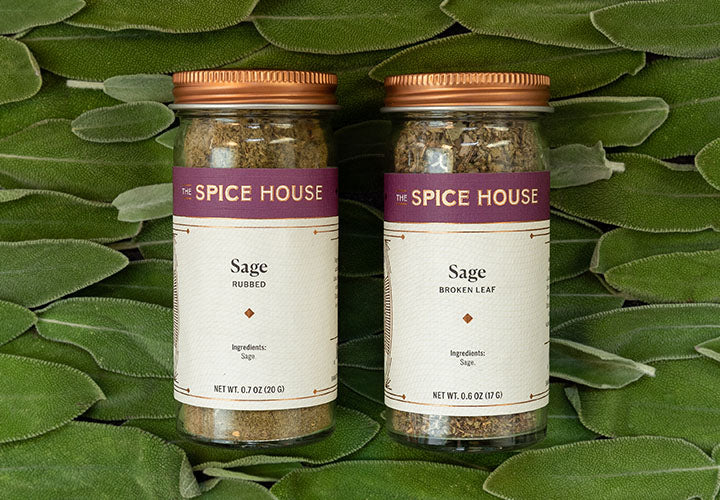

Around the holidays, kitchens are perfumed by sage’s woodsy, minty, and peppery flavor profile. The hearty herb is essential for many Thanksgiving staples, but there are many more delicious ways to cook with the herb outside the holidays too. Here you’ll find five of our favorite ways to cook with sage. If you have a favorite recipe for sage, let us know in the comments below.
Stuffing
Sage’s aroma is tied closely with the holidays, so it is only natural that we start with inspiration surrounding stuffing. Few moments can compete with the romance of sautéing onion, garlic, and sage in a whole stick of butter before tossing everything in breadcrumbs. Our Poultry Stuffing Seasoning relies heavily on sage for its quintessential holiday flavor, and the recipe below is a perfect celebration of those savory, herbal flavors.
Holiday Herb Stuffing

Squash and Pumpkins
We simply must lean into the autumnal inspiration when it comes to sage, and squash is an ingredient high on our list. Toss diced or sliced squash in a dusting of sage and glug of oil for a perfect oven roasted side dish. You can experiment with the recipe below by including a half a teaspoon of rubbed sage. It adds the perfect hint of herbs to pair with the sweet-savory Gateway to the North Maple Garlic Seasoning.
Sweet and Savory Roasted Squash

Gravy
Aromatic, bitter herbs are essential for cutting through the richness of a gravy. Sage is the perfect flavor for seasoning poultry gravies, such as chicken or turkey. The recipe below is easy enough for a weeknight dinner, but delicious enough to serve at the holiday table. You can improve any gravy by adding one teaspoon of rubbed sage for every two cups of gravy.
Sage and Cider Gravy

Pasta
Sage and browned butter might just be pasta’s best friend. Whether you're rolling your own pasta dough for homemade ravioli, or simply sprucing up some store bought tortellini, sage is a wise choice for seasoning. A simple weeknight dinner could be some onions, garlic, and mushrooms sautéed in butter with sage. Toss in cooked ravioli or tortellini, and everyone will think you are a genius.
For a scratch-made approach, we love using sage in this pumpkin gnocchi recipe. It reinvents the fall flavors of pumpkin, nutmeg, and sage by introducing savory parmesan and pancetta.
Pumpkin Gnocchi with Sage & Grated Nutmeg

Breakfast Sausage
Next to stuffing, sage is most famous for seasoning breakfast sausage patties. Making them from scratch is so easy that you might never buy store-bought again. Start with one heaping teaspoon of rubbed sage per pound of ground pork. From there, you can add a teaspoon of salt, half a teaspoon of black pepper, and a pinch of red pepper flakes if you’re feeling feisty. Form it into patties and fry it in a pan. Consider the recipe below for further inspiration, simply add a dash of sage for more herbal accent.
Sweet and Spicy Breakfast Sausage

Frequently Asked Questions
Can I use fresh sage instead of dried or rubbed sage?
Yes. Fresh sage is milder and more aromatic. Use about three times more fresh than dried. For example, replace 1 teaspoon dried or rubbed sage with 1 tablespoon fresh chopped sage. Add fresh toward the end of cooking for best flavor.
How should I store fresh and dried sage?
For fresh sage, wrap in a slightly damp paper towel and place in a sealed bag in the fridge, or stand stems in a jar of water and loosely cover. For dried or rubbed sage, keep it in an airtight container away from heat and light to preserve flavor.
How much sage should I add to gravy, stuffing, or sausage?
Use the guideline from the recipes: add 1 teaspoon rubbed sage per 2 cups of gravy, and about 1 heaping teaspoon rubbed sage per pound of ground pork for breakfast sausage. For roasted squash, try 1/2 teaspoon rubbed sage and adjust to taste.
What is the best way to use sage with pasta?
Brown butter with sage leaves or finely chopped sage, then toss with pasta or filled pasta like ravioli or tortellini. Add sautéed mushrooms, garlic, or Parmesan for more depth. Crispy sage leaves make a nice garnish.
Can I fry sage leaves? How do I do it?
Yes. Heat a small amount of oil or butter over medium heat, fry whole sage leaves for 15 to 30 seconds until crisp, then drain on paper towel. Crispy sage adds texture and a bright herbal note to pasta, soups, or roasted dishes.
What flavors pair best with sage?
Sage goes well with butter, pork, poultry, pumpkin, maple, garlic, nutmeg, Parmesan, and pancetta. It shines in rich, savory, or slightly sweet dishes because it cuts through fat and adds a woodsy, peppery note.
Is sage only for holiday dishes?
No. While sage is classic for holiday stuffing, it also works year-round in weeknight gravies, roasted squash, pasta with brown butter, and homemade breakfast sausage. Use small amounts to add instant warmth to many dishes.
Can I use fresh sage instead of dried or rubbed sage?
Yes. Fresh sage is milder and more aromatic. Use about three times more fresh than dried. For example, replace 1 teaspoon dried or rubbed sage with 1 tablespoon fresh chopped sage. Add fresh toward the end of cooking for best flavor.
How should I store fresh and dried sage?
For fresh sage, wrap in a slightly damp paper towel and place in a sealed bag in the fridge, or stand stems in a jar of water and loosely cover. For dried or rubbed sage, keep it in an airtight container away from heat and light to preserve flavor.
How much sage should I add to gravy, stuffing, or sausage?
Use the guideline from the recipes: add 1 teaspoon rubbed sage per 2 cups of gravy, and about 1 heaping teaspoon rubbed sage per pound of ground pork for breakfast sausage. For roasted squash, try 1/2 teaspoon rubbed sage and adjust to taste.
What is the best way to use sage with pasta?
Brown butter with sage leaves or finely chopped sage, then toss with pasta or filled pasta like ravioli or tortellini. Add sautéed mushrooms, garlic, or Parmesan for more depth. Crispy sage leaves make a nice garnish.
Can I fry sage leaves? How do I do it?
Yes. Heat a small amount of oil or butter over medium heat, fry whole sage leaves for 15 to 30 seconds until crisp, then drain on paper towel. Crispy sage adds texture and a bright herbal note to pasta, soups, or roasted dishes.
What flavors pair best with sage?
Sage goes well with butter, pork, poultry, pumpkin, maple, garlic, nutmeg, Parmesan, and pancetta. It shines in rich, savory, or slightly sweet dishes because it cuts through fat and adds a woodsy, peppery note.
Is sage only for holiday dishes?
No. While sage is classic for holiday stuffing, it also works year-round in weeknight gravies, roasted squash, pasta with brown butter, and homemade breakfast sausage. Use small amounts to add instant warmth to many dishes.
Comments