12.16.2020
Spice Spotlight: Allspice
Discover what allspice is, when to use whole vs ground, storage tips, and easy substitutes for cooking and baking.
- Allspice is the dried unripe berry of the Pimenta dioica tree, native to southern Mexico and Central America.
- Use whole berries to infuse liquids or for pickling; use ground allspice for baking and incorporated sauces.
- Store whole berries in an airtight container away from heat and light; substitute with a mix of cinnamon, nutmeg, and cloves if needed.
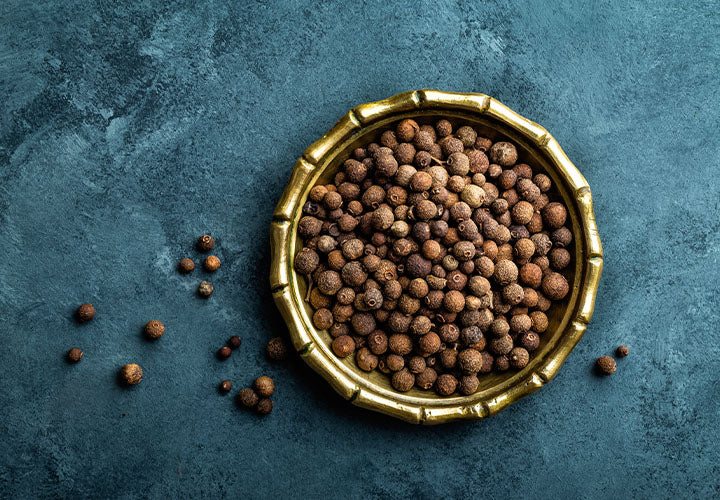

What Is Allspice? Where Does Allspice Come From?
Allspice, also called Jamaica pepper or pimento, is loved and widely used in Caribbean and Jamaican dishes. Allspice is the dried, unripe berry of the Pimenta Dioica tree, which can reach up to 40 feet in height and is a member of the Myrtle tree family. This tree is native to tropical areas like southern Mexico and Central America, but is now also grown and cultivated in many areas of the world with tropical climates. Allspice was initially mistaken for a pepper in its early days of discovery, which explains the botanical name of pimenta.
What is Allspice Used For?
Allspice comes in full berry form, or can be purchased ground. Both allspice forms have unique uses and recipes where they shine. Whole Jamaican Allspice Berries can be used to infuse stocks and sauces, as long as they are removed or strained before serving. Whole allspice berries are also great for pickling vegetables or fruits, and can be found in our Pickling Spices Blend, and is also common in mulled wines and spiced apple ciders. See all of the spices we love in our Mulling Spices Blend.
Ground allspice is the better option when baking cookies and cakes. Recipes like these pfeffernusse spiced cookies, and this spice cake, rely on the complex flavors of Allspice to create a warm and perfectly spicy dessert. The ground version of this berry can also be used in sauces like barbecue sauce or gravy. Allspice is a common, prominent flavor in many Caribbean jerk dishes and our Jamaican Jerk Seasoning.
Top Allspice Recipes
Frequently Asked Questions
What exactly is allspice and where does it come from?
Allspice is the dried, unripe berry of the Pimenta dioica tree, sometimes called Jamaica pepper or pimento. The tree is native to tropical regions such as southern Mexico and Central America and is now grown in other tropical areas.
When should I use whole allspice berries versus ground allspice?
Use whole berries to flavor stocks, pickles, mulled drinks, and slow-simmered sauces. Remove or strain the berries before serving. Use ground allspice in baking, spice cakes, cookies, and recipes where you want the flavor evenly blended into the dish.
How should I store allspice and how long does it last?
Keep allspice in an airtight container in a cool, dark place. Whole berries keep best for about 3 to 4 years. Ground allspice loses potency faster and is best used within 6 to 12 months. Check aroma; if it smells weak, replace it.
What is a good substitute for allspice?
A common substitute is a blend of ground spices: for 1 teaspoon allspice use 1/2 teaspoon cinnamon plus 1/4 teaspoon nutmeg and 1/4 teaspoon ground cloves. The mix mimics the warm, complex profile but is not an exact match.
How do I grind whole allspice berries for best flavor?
Toast the whole berries in a dry pan for 1 to 2 minutes until fragrant to boost flavor. Let them cool, then grind in a spice grinder or use a mortar and pestle. Grind only what you need and use it soon for maximum aroma.
How do I infuse allspice into liquids like mulled wine or stock?
Place whole berries in a spice sachet or cheesecloth so you can remove them easily. Simmer them in the liquid for 10 to 20 minutes for drinks, or longer for stocks and braises. Taste and remove the sachet before serving.
Which dishes commonly use allspice?
Allspice is common in Caribbean jerk seasonings, pickles, mulled ciders and wines, fruitcakes, spice cookies, sweet potato pie, barbecue sauces, and some gravies. It adds warm, clove-like, cinnamon-like notes to both savory and sweet dishes.
What exactly is allspice and where does it come from?
Allspice is the dried, unripe berry of the Pimenta dioica tree, sometimes called Jamaica pepper or pimento. The tree is native to tropical regions such as southern Mexico and Central America and is now grown in other tropical areas.
When should I use whole allspice berries versus ground allspice?
Use whole berries to flavor stocks, pickles, mulled drinks, and slow-simmered sauces. Remove or strain the berries before serving. Use ground allspice in baking, spice cakes, cookies, and recipes where you want the flavor evenly blended into the dish.
How should I store allspice and how long does it last?
Keep allspice in an airtight container in a cool, dark place. Whole berries keep best for about 3 to 4 years. Ground allspice loses potency faster and is best used within 6 to 12 months. Check aroma; if it smells weak, replace it.
What is a good substitute for allspice?
A common substitute is a blend of ground spices: for 1 teaspoon allspice use 1/2 teaspoon cinnamon plus 1/4 teaspoon nutmeg and 1/4 teaspoon ground cloves. The mix mimics the warm, complex profile but is not an exact match.
How do I grind whole allspice berries for best flavor?
Toast the whole berries in a dry pan for 1 to 2 minutes until fragrant to boost flavor. Let them cool, then grind in a spice grinder or use a mortar and pestle. Grind only what you need and use it soon for maximum aroma.
How do I infuse allspice into liquids like mulled wine or stock?
Place whole berries in a spice sachet or cheesecloth so you can remove them easily. Simmer them in the liquid for 10 to 20 minutes for drinks, or longer for stocks and braises. Taste and remove the sachet before serving.
Which dishes commonly use allspice?
Allspice is common in Caribbean jerk seasonings, pickles, mulled ciders and wines, fruitcakes, spice cookies, sweet potato pie, barbecue sauces, and some gravies. It adds warm, clove-like, cinnamon-like notes to both savory and sweet dishes.
Comments