03.08.2021
Top 7 Spices for Beginner Cooks
Start cooking with seven versatile spices that boost flavor fast. Tips on use, substitutions, and simple blends for everyday meals.
- Seven versatile spices and seasonings give you broad flavor coverage for most cuisines.
- Learn simple swaps and quick blends like a basic rub and garlic powder substitutions.
- Store whole spices longer and grind when possible for the freshest flavor.
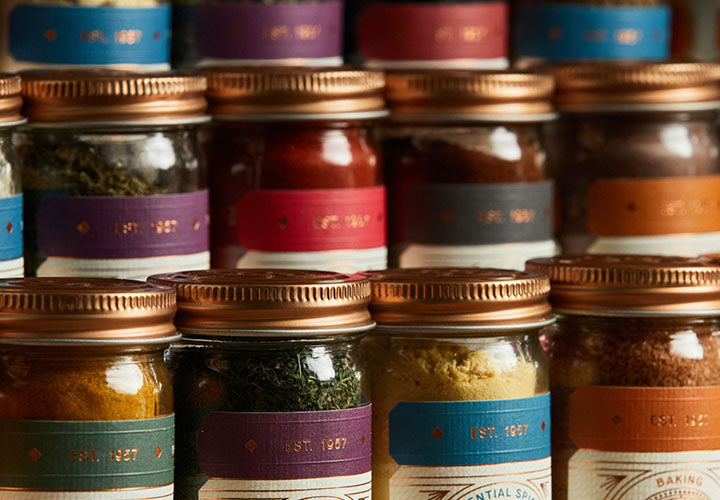

With hundreds of spices, herbs, and seasonings in our collection, it can be challenging for beginner cooks to know where to start. Whatever your skill level or culinary style, there are a few staple spices that will make you feel like a chef in no time. We find that these spices featured below have the widest applications and biggest impact when it comes to enhancing the flavors in your cooking. If you have any questions about spices or cooking, email us at spices@spicehouse.com, or leave us a comment below.
#7 Kosher Salt

Salt is neither an herb or spice, but actually a mineral. If you’re ready to upgrade your cooking, it’s time to ditch that cylinder of iodized table salt. Those ultra-fine crystals are really meant for filling the salt shakers at the local diner. Kosher salt has the perfect size and texture to control how much salt you want in a dish. It’s the perfect coarseness for making your own spice rubs, too. Combine Kosher salt with garlic powder, cracked black pepper, and Hungarian paprika to craft a rub for steaks, hamburgers, and chicken.
#6 Ground Cumin Seed

Cumin is essential to some of the world’s most popular cuisines, especially Indian, Mediterranean, Middle Eastern, and Mexican. You’ll soon find that freshly ground cumin adds a necessary richness to your rice dishes, stews, soups, barbecue sauces, and chili con carne recipes. Combine cumin with garlic powder, and cayenne pepper for a quick easy taco seasoning.
#5 Ground Saigon Cinnamon

Cooks are astounded by the flavor and freshness of our ground Vietnamese cinnamon, often telling us they have to dial back on the measurements for their recipes. Cinnamon is a must-have for bakers making cinnamon rolls, banana bread, and snickerdoodles. Don’t stop at the sweet tooth, cinnamon’s spicy flavor is also called upon for many Indian curries and Middle Eastern stews.
#4 Greek Oregano

Whether you’re making Grandma’s homemade red sauce recipe or simply garnishing a frozen pizza, a sprinkle of this robust, aromatic herb is an instant upgrade. Combine oregano with garlic powder, cracked black pepper, fresh lemon juice, and olive oil to create a game-changing marinade for grilled chicken or fish. Pro Tip: Crush the oregano between your fingers when you add it to a recipe to release its essential oils and offer more flavor.
#3 Hungarian Sweet Paprika

Hungarian paprika is beautifully vibrant, adding richness to your cooking in flavor and appearance. Our paprika is more than just looks, though. Our Hungarian paprika has a sweet, savory flavor reminiscent of tomato and bell pepper. Add a heavy hand of paprika to improve your soups, stews, and roasted vegetables.
#2 Garlic Powder

Garlic is essential in every kitchen, adding a savory component in almost all the world’s cuisines. Peeling fresh garlic cloves takes time, and learning the knife skills to mince, slice, or mash them can take a little longer. Save time by substituting one quarter of a teaspoon of our granulated garlic for every small fresh clove in a recipe. You can also try our roasted granulated garlic to add rich, nutty flavors to your recipes.
#1 Whole Tellicherry Black Peppercorns

Black pepper is a spice you’ll reach for every day, both in the kitchen and at the table. We’re passionate about fresh flavors, which is why we recommend grinding your own whole peppercorns at home. Don’t have a peppermill? No problem. We also grind our Tellicherry pepper fresh each week in several sizes of coarseness.
Honorable Mentions
If you’re looking for a curated collection of spices to kickstart your cooking, look no further. We’ve compiled a few assortments that will give you a library of flavors to choose from.
Kitchen Starter Collection

A great chef, or the wise beginner, always has on hand the spices, herbs, and seasonings of this kitchen collection. They are the foundational flavors of all types of cuisine and any number of recipes.
Essential Spices Collection

These are the 24 essential spices we recommend for every kitchen. A collection of frequently used spices is the perfect housewarming gift. It is also a good buy for serious cooks who appreciate fresh spices.
Frequently Asked Questions
Why start with these seven spices?
They cover a wide range of global flavors and are easy to combine. Together they handle savory, sweet, smoky, and spicy notes so you can quickly improve many recipes without a huge spice cabinet.
How should I store my spices to keep them fresh?
Keep spices in airtight containers away from heat, light, and humidity. Store whole spices longer than ground ones. Ground spices stay best for about 6 to 12 months. Whole spices can keep flavor for 2 to 4 years.
How do I substitute fresh garlic with garlic powder?
Use about 1/4 teaspoon granulated garlic for each small fresh garlic clove called for in a recipe. Start with less and adjust to taste. Roasted granulated garlic adds a nuttier note.
What is the easiest way to grind peppercorns without a peppermill?
Use a spice grinder, mortar and pestle, or place peppercorns in a sealed bag and crush with a rolling pin or heavy pan. Adjust the pressure to control coarseness.
How can I make a simple all-purpose rub?
Combine kosher salt, sweet Hungarian paprika, garlic powder, and cracked black pepper. A starting mix is 2 tablespoons salt, 1 tablespoon paprika, 1 teaspoon garlic powder, and 1 teaspoon black pepper. Taste and tweak for your dish.
Which spice is best for which dishes?
Kosher salt and black pepper are everyday essentials. Cumin suits Mexican, Middle Eastern, and Indian dishes. Saigon cinnamon is great for baking and warm stews. Oregano works for Italian and Mediterranean recipes. Sweet paprika brightens stews and roasted veg. Garlic powder offers fast savory flavor.
How much kosher salt should I use compared to table salt?
Kosher and table salt crystal sizes differ, so measuring by weight is most accurate. If you must convert, add salt gradually and taste as you go. When unsure, start with less and adjust.
How do I know when a spice has lost its flavor?
Smell and taste are the best tests. If the aroma is weak or the flavor is flat, the spice has likely lost potency. Ground spices lose punch faster than whole spices, so replace them when they no longer lift a dish.
Why start with these seven spices?
They cover a wide range of global flavors and are easy to combine. Together they handle savory, sweet, smoky, and spicy notes so you can quickly improve many recipes without a huge spice cabinet.
How should I store my spices to keep them fresh?
Keep spices in airtight containers away from heat, light, and humidity. Store whole spices longer than ground ones. Ground spices stay best for about 6 to 12 months. Whole spices can keep flavor for 2 to 4 years.
How do I substitute fresh garlic with garlic powder?
Use about 1/4 teaspoon granulated garlic for each small fresh garlic clove called for in a recipe. Start with less and adjust to taste. Roasted granulated garlic adds a nuttier note.
What is the easiest way to grind peppercorns without a peppermill?
Use a spice grinder, mortar and pestle, or place peppercorns in a sealed bag and crush with a rolling pin or heavy pan. Adjust the pressure to control coarseness.
How can I make a simple all-purpose rub?
Combine kosher salt, sweet Hungarian paprika, garlic powder, and cracked black pepper. A starting mix is 2 tablespoons salt, 1 tablespoon paprika, 1 teaspoon garlic powder, and 1 teaspoon black pepper. Taste and tweak for your dish.
Which spice is best for which dishes?
Kosher salt and black pepper are everyday essentials. Cumin suits Mexican, Middle Eastern, and Indian dishes. Saigon cinnamon is great for baking and warm stews. Oregano works for Italian and Mediterranean recipes. Sweet paprika brightens stews and roasted veg. Garlic powder offers fast savory flavor.
How much kosher salt should I use compared to table salt?
Kosher and table salt crystal sizes differ, so measuring by weight is most accurate. If you must convert, add salt gradually and taste as you go. When unsure, start with less and adjust.
How do I know when a spice has lost its flavor?
Smell and taste are the best tests. If the aroma is weak or the flavor is flat, the spice has likely lost potency. Ground spices lose punch faster than whole spices, so replace them when they no longer lift a dish.
Love the starter set – have given it as gifts and everyone has loved it. And of course I keep repurchasing spices and herbs for my own kitchen. It’s amazing what a difference quality spices make.
I bought my granddaughter the kitchen starter collection this year as she has moved out on her own. The bottles look beautiful on the little shelf in her kitchen and have enhanced her cooking! Good, fresh seasoning really make a difference. Love the Spice House!
Spice house is the best. Using for years.