02.19.2020
North African Cooking: Spice Pantry Essentials
Stock key North African spices like ras el hanout, harissa, Marrakesh blend, and preserved lemons. Uses, storage tips, and simple swaps.
- Keep ras el hanout, harissa, a Marrakesh-style blend, and preserved lemons on hand to make classic North African dishes.
- Use ras el hanout for tagines and couscous, harissa to add heat and depth, and preserved lemons for bright umami notes.
- Store whole spices in a cool dark spot, refrigerate opened harissa or preserved lemons, and use simple substitutes if needed.
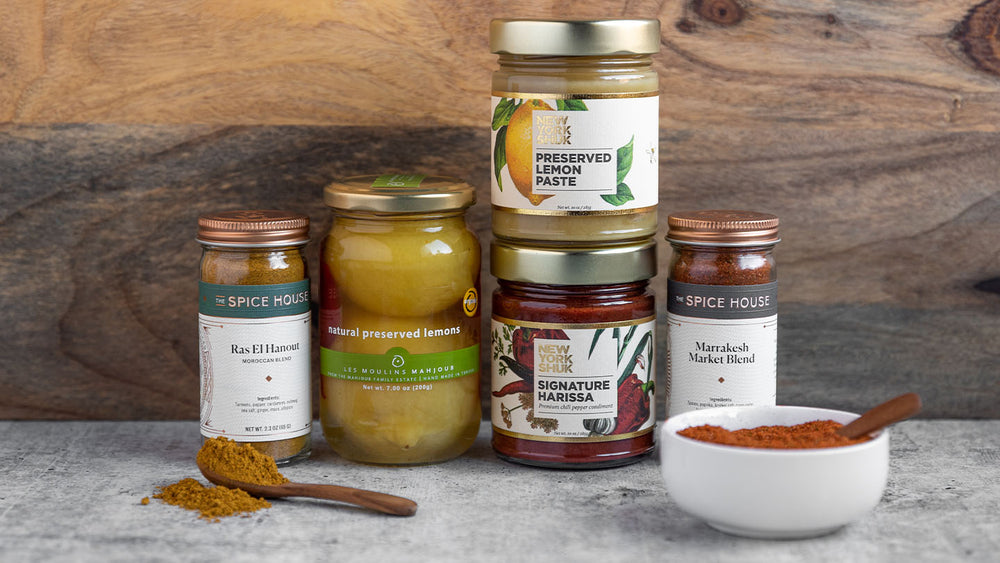

Spices help you expand your palate and let you explore new cuisines and cultures from the comfort of your own kitchen. Take your tastebuds across the world, and try your hand at North African cooking—a unique fare of flavorful, exotic dishes that hail from Morocco, Alergia, Tunisia and Libya. The robust flavors of this region rely on staple ingredients to bring everything from couscous to Tagines to life. Stock up your pantry with these vibrant spices and blends so you can recreate classic North African meals whenever your heart desires.
Ras el Hanout
 A common seasoning used in Moroccan cooking, Ras el Hanout is rich, aromatic and pungent. Arabic for “top of the shop” (a.k.a. top shelf), it’s made of the best spices in the house, such as Tellicherry black pepper, cardamom, Spanish saffron, turmeric, mace, and cinnamon. Toss it in couscous, use it as a seasoning in tagine or as a spice rub for roasted chicken.
Harissa
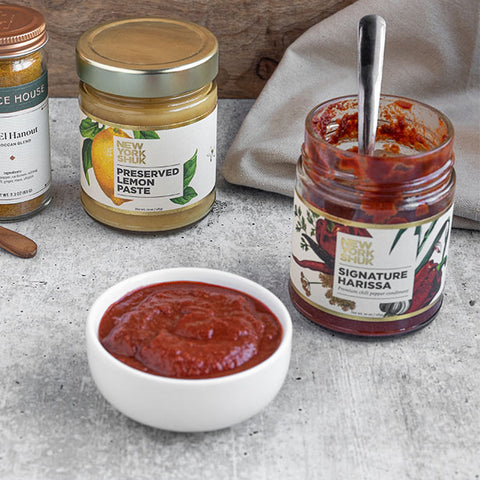 This hot chile pepper paste is the fiery condiment you need to try. Considered the sriracha of Tunisia, Harissa is North Africa’s favorite hot sauce. Harissa is traditionally made of dried chile peppers, fresh garlic cloves, olive oil and spices like whole coriander, whole cumin, and caraway seeds. Everything is pureed together to deliver a complex burst of heat and earthiness to any dish.
Make your own Harissa from scratch, or buy a jar pre-made, like New York Shuk’s premium Harissa paste that’s by far the most complex we’ve tried yet. A spoonful can transform soups, salad dressings and dips, or be combined with freshly squeezed lemon juice to use as a baste on grilled fish.
Marrakesh Market Blend
 If you’re looking to explore Moroccan cuisine, you’ll want to add our one-of-a-kind Marrakesh Market Blend to your pantry. This spice mixture is a subtle balance of exotic sweet spices and savory herbs, such as paprika, cumin, coriander, hot curry powder, cardamom, cinnamon and parsley. Sprinkle it on vegetables before roasting, or use it in rice pilaf, couscous or grilled chicken.
Marrakesh Roasted Vegetables Recipe
Preserved Lemons
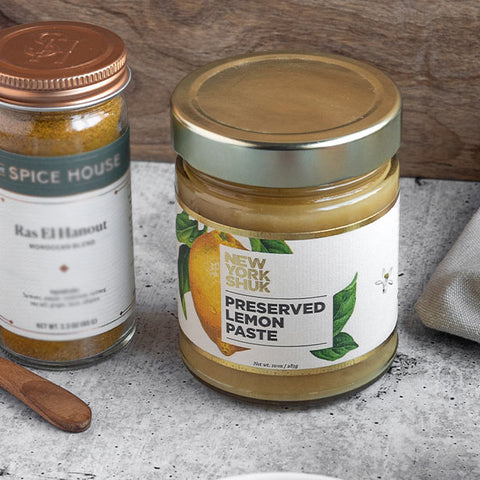 Preserved lemons are a North African pantry staple. This moroccan delicacy is essentially lemons pickled in salt water and extra lemon juice, allowing you to store and eat them past their season. Mildly tart and intensely lemony, these salt-cured lemons add a heavy umami flavor to soups and rice dishes, or can be pureed with chickpeas, tahini and fresh garlic for a delicious lemon hummus. We offer both whole preserved lemons and an easy to use preserved lemon puree.
Slow-Cooked Moroccan Chicken Recipe
If you have a favorite North African spice, spice blend, or recipe, tell us about it in the comments below. You can also email us anytime at spices@thespicehouse.com
Article by Vanessa Paparella, Staff Writer
Frequently Asked Questions
What is ras el hanout and how do I use it?
Ras el hanout is a complex North African spice mix that blends warm, floral, and pungent spices like cardamom, cinnamon, black pepper, and saffron. Use it to season tagines, couscous, rice, roasted vegetables, or as a rub for chicken and lamb. Start with a small amount, about 1/2 to 1 teaspoon per four servings, and adjust to taste.
What is harissa and what dishes work best with it?
Harissa is a hot chili paste from Tunisia made from dried chiles, garlic, oil, and spices such as coriander and cumin. Add it to soups, stews, marinades, salad dressings, and sauces, or use it as a baste for grilled fish and meats. A little goes a long way; add by spoonfuls until you reach the heat level you like.
How can I make quick harissa at home?
To make a simple harissa, rehydrate dried chilies in hot water for 15 minutes, then blend with garlic, a splash of vinegar or lemon, toasted cumin and coriander, a pinch of caraway, and enough olive oil to make a paste. Taste and adjust for heat and acidity. Store in the fridge with a thin layer of oil on top to help preserve it.
What is the Marrakesh Market Blend used for?
The Marrakesh Market Blend is a milder Moroccan-style mix with paprika, cumin, coriander, cardamom, cinnamon, and herbs. It is great for roasting vegetables, seasoning rice or couscous, and giving grilled chicken a balanced sweet and savory flavor. Use it like you would a general all-purpose spice mix.
How do preserved lemons change a recipe and how do I make them?
Preserved lemons add bright, salty, and umami notes that lift soups, stews, stewed vegetables, and dips. To make them, trim or quarter lemons, pack them with coarse salt in a sterilized jar, press to release juice, and seal. Let ferment at room temperature for 2 to 4 weeks, then refrigerate. You can also puree preserved lemons to mix into sauces and hummus.
What are good substitutes if I can't find preserved lemons or ras el hanout?
If you do not have preserved lemons, use fresh lemon zest plus a pinch of salt and a squeeze of lemon to mimic the bright salty flavor. For ras el hanout, combine equal parts ground cumin and coriander with smaller amounts of cinnamon and black pepper, then add a pinch of cardamom or turmeric if available.
How should I store North African spices and how long do they last?
Store spices in airtight containers away from heat and light. Whole spices keep longer, often 2 to 4 years, while ground spices stay best for 6 months to 2 years. Keep opened harissa and preserved lemons refrigerated. For longer storage, freeze small portions of fresh pastes.
What is ras el hanout and how do I use it?
Ras el hanout is a complex North African spice mix that blends warm, floral, and pungent spices like cardamom, cinnamon, black pepper, and saffron. Use it to season tagines, couscous, rice, roasted vegetables, or as a rub for chicken and lamb. Start with a small amount, about 1/2 to 1 teaspoon per four servings, and adjust to taste.
What is harissa and what dishes work best with it?
Harissa is a hot chili paste from Tunisia made from dried chiles, garlic, oil, and spices such as coriander and cumin. Add it to soups, stews, marinades, salad dressings, and sauces, or use it as a baste for grilled fish and meats. A little goes a long way; add by spoonfuls until you reach the heat level you like.
How can I make quick harissa at home?
To make a simple harissa, rehydrate dried chilies in hot water for 15 minutes, then blend with garlic, a splash of vinegar or lemon, toasted cumin and coriander, a pinch of caraway, and enough olive oil to make a paste. Taste and adjust for heat and acidity. Store in the fridge with a thin layer of oil on top to help preserve it.
What is the Marrakesh Market Blend used for?
The Marrakesh Market Blend is a milder Moroccan-style mix with paprika, cumin, coriander, cardamom, cinnamon, and herbs. It is great for roasting vegetables, seasoning rice or couscous, and giving grilled chicken a balanced sweet and savory flavor. Use it like you would a general all-purpose spice mix.
How do preserved lemons change a recipe and how do I make them?
Preserved lemons add bright, salty, and umami notes that lift soups, stews, stewed vegetables, and dips. To make them, trim or quarter lemons, pack them with coarse salt in a sterilized jar, press to release juice, and seal. Let ferment at room temperature for 2 to 4 weeks, then refrigerate. You can also puree preserved lemons to mix into sauces and hummus.
What are good substitutes if I can't find preserved lemons or ras el hanout?
If you do not have preserved lemons, use fresh lemon zest plus a pinch of salt and a squeeze of lemon to mimic the bright salty flavor. For ras el hanout, combine equal parts ground cumin and coriander with smaller amounts of cinnamon and black pepper, then add a pinch of cardamom or turmeric if available.
How should I store North African spices and how long do they last?
Store spices in airtight containers away from heat and light. Whole spices keep longer, often 2 to 4 years, while ground spices stay best for 6 months to 2 years. Keep opened harissa and preserved lemons refrigerated. For longer storage, freeze small portions of fresh pastes.
Only think missing from this page is “Add all to cart” button!
These are all wonderful spices for creating dishes from North Africa, Egypt,Morocco, Marrakech etc. Cooking the low, slow method (if no tangine) with vegetables or meat (lamb, chicken, beef) yield unforgettable flavors!