12.27.2019
Flavor and Spice Trends for 2020
Discover 2020 spice trends: authentic flavors, botanicals, African and Latin influences, plus simple fusion ideas to try at home.
- Home cooks and chefs are favoring authentic, unprocessed flavor profiles and small-batch spices for stronger aroma.
- Botanicals, plus West African, North African, Latin American, and Caribbean spice profiles, are rising in popularity.
- Flavor fusion is trending; try easy combos like basil-infused vodka cocktails, blueberry-lavender muffins, or harissa-pomegranate glazes.
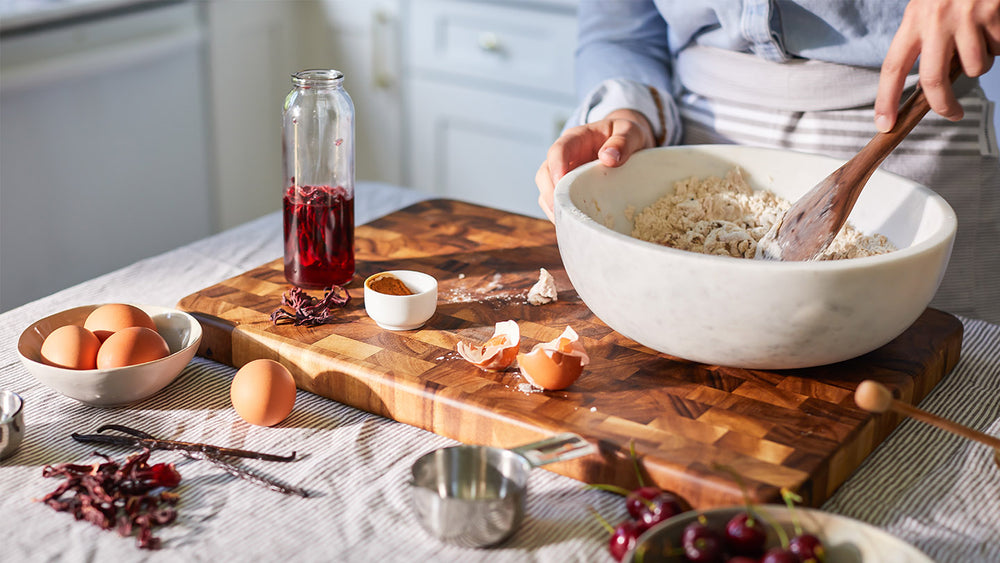

As we embark on a new year, we want to take a few moments to look at the trends and the trend-setters and try to make a few educated guesses about what we can expect in 2020.
'We listen to our customers in our stores and on the web,' says Charlie Mayer, CEO of The Spice House. 'We hear stories about what you’re cooking or what you’re interested in cooking. We also pay attention to chefs. What they’re cooking today will be on our table next year.'
'And we keep in touch with our suppliers. When we hear about an especially great crop or we find a new source for something rare, we act quickly to buy as much as we can.'
'It’s a big spice world and we have our finger on it!'
Cooks Want Authentic Flavors
One trend we have noticed (and been a part of perpetuating) is a movement back to authentic flavor profiles. Cooks want real ingredients with real, authentic flavors. The buzzword we notice is natural and it speaks to the desire to use unadulterated ingredients that each contributes a note in a larger melody. That’s real cooking. This is why we only grind and blend our spices in the smallest batch sizes possible—ensuring exceptional flavor and aroma.
Pay Attention To Botanicals
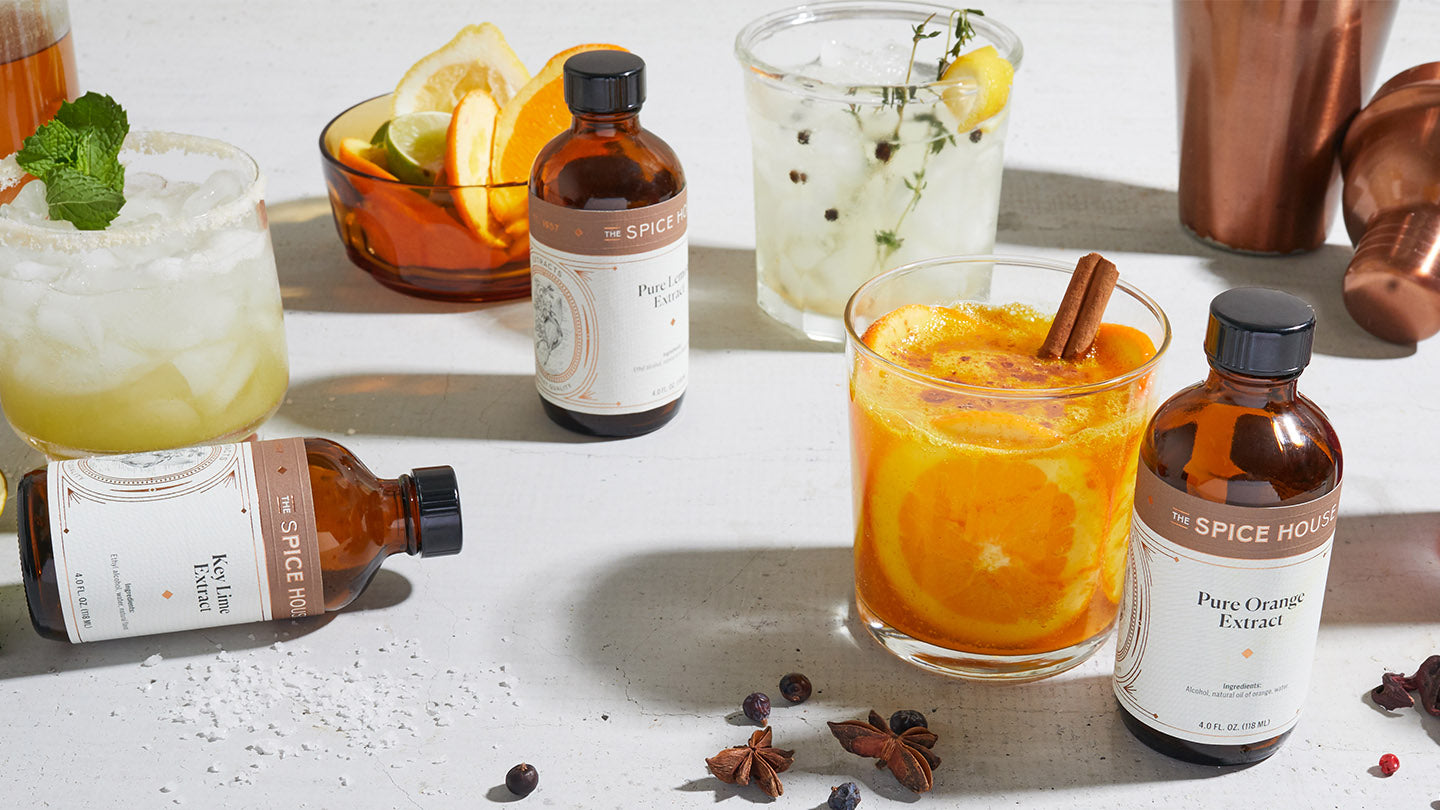
Our Hibiscus Flowers, Juniper Berries, and Pure Orange Extract are examples of a growing trend toward using more botanical ingredients in American cooking. Explore our growing portfolio of natural extracts to give dishes a botanical element to their flavor profiles.
The Tastes of Africa
African flavors have been a part of the American culinary landscape for centuries. And as more chefs explore the African roots of the diet of the southern coastlines and farms, we think we will see more focus on the spice profiles of West and North Africa. The continent is vast and its cuisines are extensive, but look to see more and more attention paid to the ancestral roots of so much of American cooking.
Latin American and Caribbean Influence
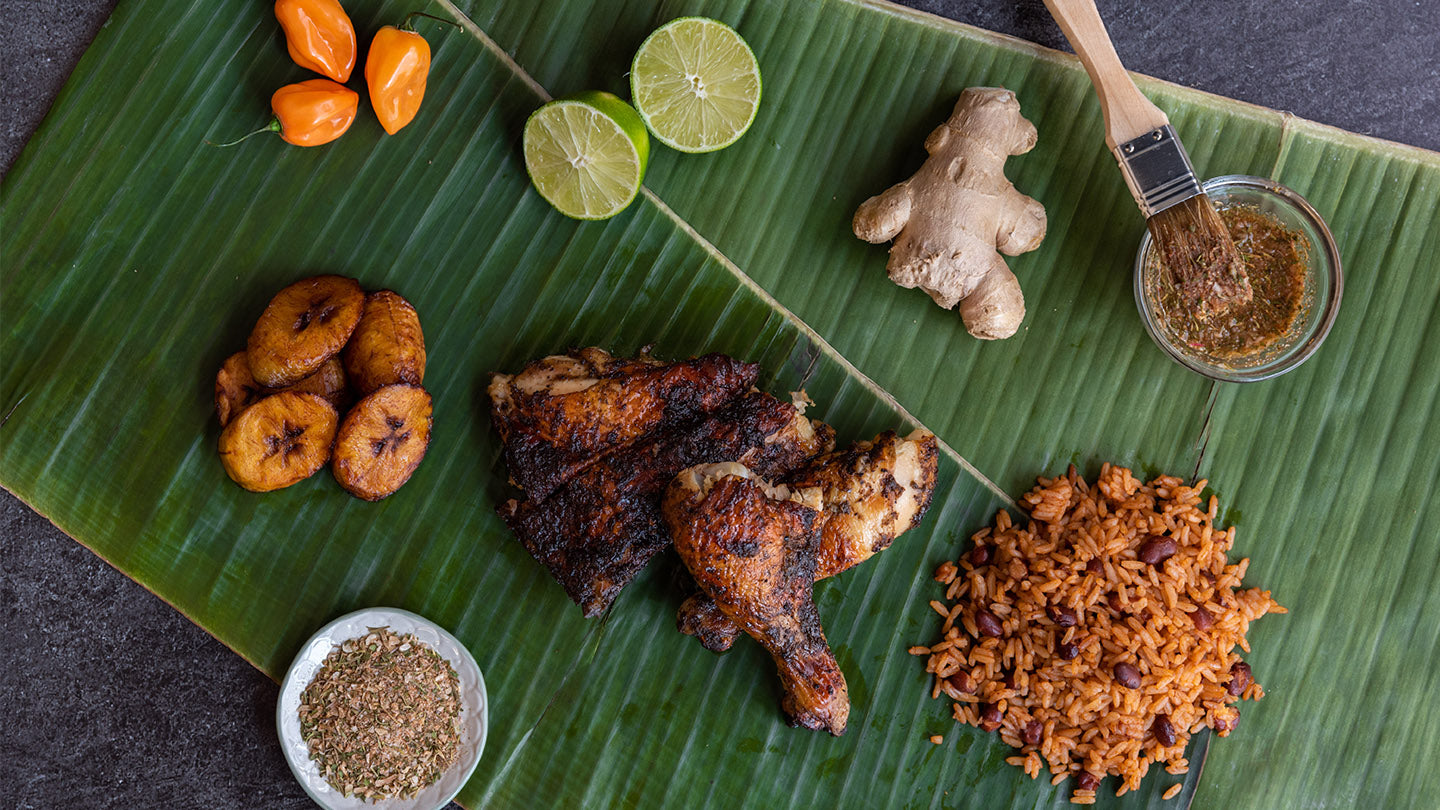
There’s good reason to believe that the cuisines of Latin America and the Caribbean basin will continue to inform worldwide cooking. You can be ahead of this trend with our extensive catalog of flavor components from the region. Our freshly ground Allspice Berries, hand-blended Jerk Seasoning, and Key Lime Extract are just a few of our favorites.
Shop Latin American and Caribbean Blends
Flavor Fusions
There is nothing more American than fusion: that strong pull to take two of three unrelated things and combine them. We stand ready to assist your experimentation!
Some ideas to try this year:
Watermelon, vodka, and basil—Fill a glass jar with three cups of vodka and stir in a heaping tablespoon of our dried Sweet Basil. Let the jar sit in a cupboard for 2-3 days before straining out the dried basil leaves. In a cocktail shaker, muddle a lemon peel with a couple chunks of watermelon. Add a splash of honey or simple syrup, a shot of your basil vodka and shake the whole thing. Strain over ice and serve with a slice of watermelon as garnish.
Blueberry muffins with lavender—Fruity and floral make a great flavor combination, but sometimes it can get too sweet. Lavender is a great flavor to pair with fruit (like blueberries) since it's more robust than other floral spices, often redolent of savory rosemary. Blueberry muffins work well with this culinary herb, especially along with fresh lemon zest. Try half a teaspoon of dried lavender buds for a one-dozen recipe of muffins.
Grilled pork chops, pomegranate molasses, and harissa—Next time you grill some pork chops try glazing them with a mixture of harissa and pomegranate molasses. One cup of molasses to one tablespoon of harissa is a good start. This would be an excellent riff for barbecue smoked ribs too.
What's Trending in Your Kitchen?
We’ll circle back to this post in 12 months to see which of our prognostications come to fruition. But in the meantime, we’re curious: What’s trending in your cooking? What are you noticing about how you cook now that might be different from five years ago? Let us know in the comments.
Article by Seán Collins, Staff Writer
Frequently Asked Questions
What were the main spice trends for 2020?
Key trends were a return to authentic, natural flavors, more use of botanicals, growing interest in West and North African spice profiles, continued influence from Latin American and Caribbean cuisines, and playful flavor fusions.
What does 'authentic flavors' mean and how do I use them?
Authentic flavors mean using real, minimally processed ingredients that contribute clear, distinct notes. Use fresh or small-batch ground spices, whole spices when possible, and keep recipes simple so each ingredient shows through.
How can I cook with botanicals like hibiscus, juniper, or orange extract?
Use hibiscus for tart syrups, teas, or vinaigrettes; juniper for game, stews, or marinades; and orange extract in baking, sauces, or cocktails. Start with small amounts and adjust to taste because botanical extracts can be potent.
How do I start using African spice blends in my cooking?
Begin with a few blends like ras el hanout, berbere, or harissa. Use them as rubs for meats, seasoning for stews and grains, or to add depth to roasted vegetables. Taste as you go and pair with complementary ingredients like citrus, tomatoes, or yogurt.
What Latin American and Caribbean spices should I try and how do I use them?
Try allspice, jerk seasoning, achiote, and citrus extracts like key lime. Use them in marinades, rubs, salsas, and sauces. They work well with pork, chicken, seafood, beans, and rice dishes.
What are simple flavor fusion ideas I can make at home?
Three easy ideas: 1) Basil-infused vodka for a watermelon-basil cocktail. Infuse vodka with dried basil for 2 to 3 days. 2) Blueberry muffins with 1/2 teaspoon dried lavender and lemon zest for a floral note. 3) Glaze grilled pork chops with a mix of pomegranate molasses and harissa, starting at 1 cup molasses to 1 tablespoon harissa.
How do I keep spices fresh and flavorful?
Buy whole spices or small-batch ground spices, store them in airtight containers away from heat and light, and grind or open new small amounts as needed. Use spices within months for ground and within a year for whole spices for best aroma.
What were the main spice trends for 2020?
Key trends were a return to authentic, natural flavors, more use of botanicals, growing interest in West and North African spice profiles, continued influence from Latin American and Caribbean cuisines, and playful flavor fusions.
What does 'authentic flavors' mean and how do I use them?
Authentic flavors mean using real, minimally processed ingredients that contribute clear, distinct notes. Use fresh or small-batch ground spices, whole spices when possible, and keep recipes simple so each ingredient shows through.
How can I cook with botanicals like hibiscus, juniper, or orange extract?
Use hibiscus for tart syrups, teas, or vinaigrettes; juniper for game, stews, or marinades; and orange extract in baking, sauces, or cocktails. Start with small amounts and adjust to taste because botanical extracts can be potent.
How do I start using African spice blends in my cooking?
Begin with a few blends like ras el hanout, berbere, or harissa. Use them as rubs for meats, seasoning for stews and grains, or to add depth to roasted vegetables. Taste as you go and pair with complementary ingredients like citrus, tomatoes, or yogurt.
What Latin American and Caribbean spices should I try and how do I use them?
Try allspice, jerk seasoning, achiote, and citrus extracts like key lime. Use them in marinades, rubs, salsas, and sauces. They work well with pork, chicken, seafood, beans, and rice dishes.
What are simple flavor fusion ideas I can make at home?
Three easy ideas: 1) Basil-infused vodka for a watermelon-basil cocktail. Infuse vodka with dried basil for 2 to 3 days. 2) Blueberry muffins with 1/2 teaspoon dried lavender and lemon zest for a floral note. 3) Glaze grilled pork chops with a mix of pomegranate molasses and harissa, starting at 1 cup molasses to 1 tablespoon harissa.
How do I keep spices fresh and flavorful?
Buy whole spices or small-batch ground spices, store them in airtight containers away from heat and light, and grind or open new small amounts as needed. Use spices within months for ground and within a year for whole spices for best aroma.
Comments