04.08.2022
Spotlight: Lavender
Discover how to cook with culinary lavender, plus dosages, pairings, simple syrup and storage tips for best flavor and safety.
- Use culinary lavender buds sparingly; they are strong and sweeter than the leaves.
- Lavender works in sweet and savory dishes, from ice cream and cookies to roasted lamb and dressings.
- Make simple lavender infusions or syrup, store dried buds airtight, and choose culinary-grade lavender for safety.


Strong, sweet, and aromatic, lavender makes for delightful desserts, complex craft cocktails, and even plays well with savory dishes. The perennial plant is known for painting French and English countrysides a beautiful violet hue. In the kitchen, lavender is just as vibrant. Below you will discover our favorite recipes and inspiration surrounding this fragrant herb. If you have a favorite way to use lavender, leave us a comment below.
What Is Lavender?
Lavender is an aromatic herb belonging to the greater mint family. The most commonly cultivated variety is Lavandula angustifolia, also referred to as English Lavender.

Lavender is well suited for the American West’s terroir, as it prefers dry climates with rocky, sandy soil.
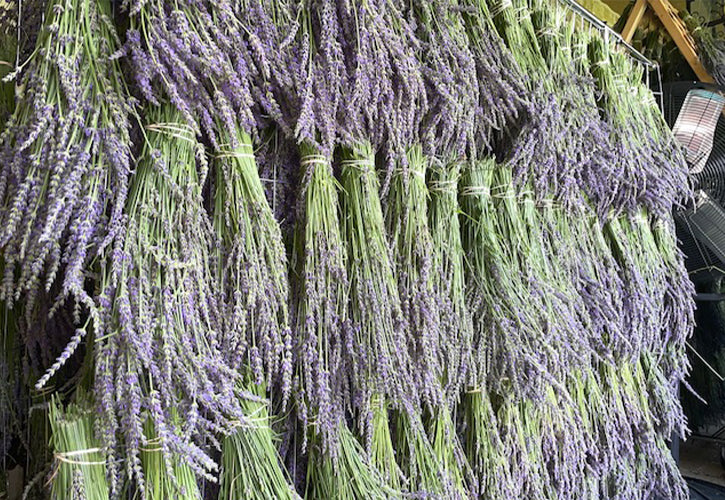
Lavender is traditionally grown in rows and harvested during the summer. Flower stalks are cut, bundled, and hung to dry before the buds are removed by hand. Both the leaves and flower buds can be used in the kitchen. The flower buds have the strongest, sweetest flavor and aroma.
How to Cook with Lavender
To really take in lavender’s calming flavor, try starting with an herbal tea. Steep one or two teaspoons of lavender buds in a cup of hot water, adding honey if desired. Lavender is an excellent flavoring for all sorts of beverages. Lavender-infused simple syrup is an instant upgrade for iced tea recipes, coffee drinks, freshly squeezed lemonade, or gin cocktails. You can also reach for our premium Lavender Vanilla Sugar when you want to stir in something special.
Lavender is most commonly used for sweet applications. Its sweet and bright flavor is a welcomed accent for pastries, cookies, cakes, ice creams, homemade fruit jams, and custards. It works especially well for flavoring icing or frosting. You can even use the flower buds as a sophisticated sprinkle for decoration.
Savory foods are excellent with a little lavender. Use this herb as you would rosemary, marjoram, or oregano in your cooking. Try adding a little to your favorite recipes for grilled lamb, poached salmon, or roasted chicken. It also makes for delicious cream sauces, soups, and salad dressings.
Lavender is also a dominant flavor for the popular Herbes de Provence blend. This herb mix is outstanding for all types of poultry, homemade bread, and vegetable recipes.
Lavender pairs well with any of its mint family cousins, such as basil, mint, oregano, marjoram, rosemary, savory, thyme, and sage. It also compliments spices like cardamom, Saigon cinnamon, cloves, vanilla, ginger, fennel seed, parsley, black pepper, and juniper.
Featured Lavender Recipes
Lemony Lavender Ranch Dressing

Yes. Ranch dressing. We weren't convinced at first either. That is until Chala Tyson Tshitundu at Bon Appétit Magazine inspired us to open our minds. Lavender's aromatic edge is the perfect accent for a rich and creamy ranch dressing.
Lavender Sugar Shortbread Cookies

From herbal teas to sweet tea cookies, lavender’s flavor is a treat for afternoon tea.
Honey Lavender Ice Cream

Honey and lavender are a natural pairing. This rich and complex recipe is perfect for impressing guests at a dinner party.
Lavender Rack of Lamb

Lavender is well suited for Mediterranean climates and cuisine. Cardamom compliments lavender’s aromatic flavor in this savory lamb dish.
Lavender-Shallot Vinaigrette
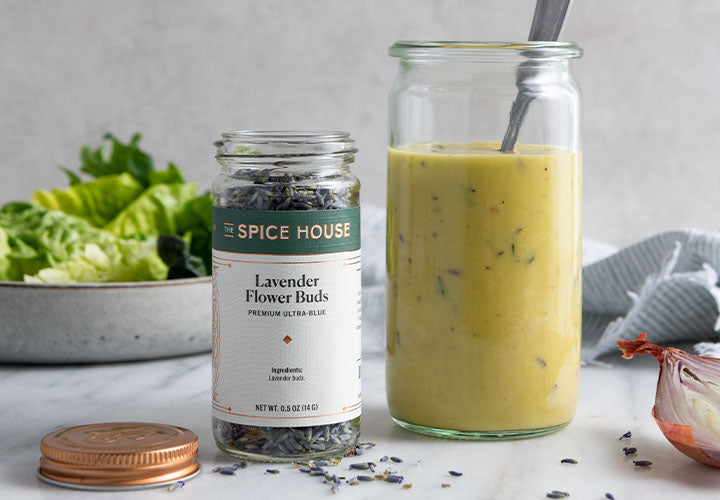
Simple, savory, and deliciously light. This vinaigrette is perfect for a nicoise salad or some simple salad greens.
LAVENDER SHALLOT VINAIGRETTE RECIPE
Lavender Blossom Lemonade

Refined and refreshing, this lemonade recipe will be your go-to all summer long. Add some vanilla to double your fun.
Frequently Asked Questions
What type of lavender is best for cooking?
Choose culinary lavender, usually Lavandula angustifolia or a labeled culinary variety. These have the sweetest, least bitter flavor. Avoid lavender sold only for fragrance because it may be treated or a different variety.
Can I use fresh lavender instead of dried?
Yes. Fresh flowers are milder. Use roughly three times the amount of fresh lavender by volume compared to dried. Dried buds give a stronger, sweeter taste and are more convenient for baking and infusions.
How much lavender should I use in recipes?
Lavender is potent. Start small and taste as you go. Guidelines: 1 to 2 teaspoons dried buds per cup for tea; 1 to 2 tablespoons dried buds for 1 cup sugar to make lavender sugar; 1 tablespoon dried buds per 2 cups cream when infusing for ice cream. For savory dishes, use a pinch to a teaspoon depending on portion size.
How do I make lavender simple syrup?
Combine 1 cup sugar and 1 cup water in a saucepan. Add 1 to 2 tablespoons dried lavender buds. Bring to a gentle simmer for 2 to 5 minutes, remove from heat, and steep 20 to 30 minutes. Strain out the buds and refrigerate. Syrup lasts about 2 weeks.
What flavors and foods pair well with lavender?
Lavender pairs with citrus, honey, vanilla, and fruits like lemon and berries. It also complements herbs in the mint family such as rosemary, thyme, oregano, and marjoram, and spices like cardamom, cinnamon, and black pepper. Use it in desserts, cocktails, dressings, and Mediterranean-style savory dishes.
Are there safety concerns when cooking with lavender?
Culinary amounts are generally safe, but avoid essential oils for eating. If you are pregnant, nursing, have hormone-sensitive conditions, or are on medications, check with your doctor before using lavender medicinally or in large amounts. Stop use if you have an allergic reaction.
How should I store dried culinary lavender?
Keep dried buds in an airtight container in a cool, dark place away from heat and direct light. Properly stored culinary lavender keeps best for about 6 to 12 months. Grind or bruise a small amount before use to release aroma.
What type of lavender is best for cooking?
Choose culinary lavender, usually Lavandula angustifolia or a labeled culinary variety. These have the sweetest, least bitter flavor. Avoid lavender sold only for fragrance because it may be treated or a different variety.
Can I use fresh lavender instead of dried?
Yes. Fresh flowers are milder. Use roughly three times the amount of fresh lavender by volume compared to dried. Dried buds give a stronger, sweeter taste and are more convenient for baking and infusions.
How much lavender should I use in recipes?
Lavender is potent. Start small and taste as you go. Guidelines: 1 to 2 teaspoons dried buds per cup for tea; 1 to 2 tablespoons dried buds for 1 cup sugar to make lavender sugar; 1 tablespoon dried buds per 2 cups cream when infusing for ice cream. For savory dishes, use a pinch to a teaspoon depending on portion size.
How do I make lavender simple syrup?
Combine 1 cup sugar and 1 cup water in a saucepan. Add 1 to 2 tablespoons dried lavender buds. Bring to a gentle simmer for 2 to 5 minutes, remove from heat, and steep 20 to 30 minutes. Strain out the buds and refrigerate. Syrup lasts about 2 weeks.
What flavors and foods pair well with lavender?
Lavender pairs with citrus, honey, vanilla, and fruits like lemon and berries. It also complements herbs in the mint family such as rosemary, thyme, oregano, and marjoram, and spices like cardamom, cinnamon, and black pepper. Use it in desserts, cocktails, dressings, and Mediterranean-style savory dishes.
Are there safety concerns when cooking with lavender?
Culinary amounts are generally safe, but avoid essential oils for eating. If you are pregnant, nursing, have hormone-sensitive conditions, or are on medications, check with your doctor before using lavender medicinally or in large amounts. Stop use if you have an allergic reaction.
How should I store dried culinary lavender?
Keep dried buds in an airtight container in a cool, dark place away from heat and direct light. Properly stored culinary lavender keeps best for about 6 to 12 months. Grind or bruise a small amount before use to release aroma.
Comments