09.18.2020
Spice Spotlight: Ginger
Learn ginger types, substitution ratios, storage tips, flavor pairings, and where to find high-quality ginger for cooking and baking.
- Ginger comes as fresh root, ground powder, crystallized slices, and whole dried root, each best for different uses.
- Use 1/8 to 1/4 teaspoon ground ginger to replace 1 tablespoon fresh, and rehydrate or microplane dried root for stronger flavor.
- Store fresh ginger in the fridge or freezer and keep ground ginger airtight; top-quality dried ginger often comes from southwestern China.
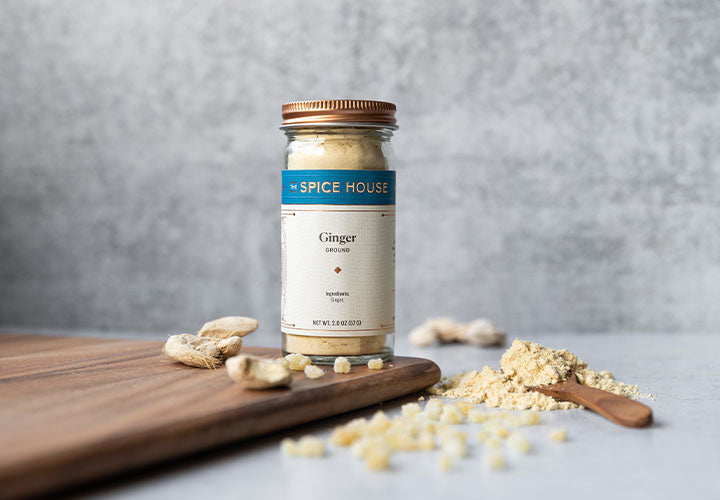

From Moscow Mules to Moroccan Stewed Beef, ginger is a well-traveled spice. The redolent rhizome has ridden camels over mountains and sailed boats across oceans, enhancing the flavors of every curry, stew, jam, chutney, pickle, pie, cake, and cookie along the way.
What is Ginger?
Ginger is the root (or rhizome) of Zingiber officinale, a tropical plant native to southeast Asia. The ginger plant is a member of the wider Zingiberaceae family, along with its sibling spices turmeric, cardamom, black cardamom, and grains of paradise.
Austronesian peoples are believed to have domesticated it around 5,000 years ago, dispersing the spice through Micronesia and the pacific via wooden canoes. Ginger soon spread from tropical Asia to India and China. By 479 B.C., Chinese philosopher Confucius wrote about ginger and ate it with nearly every meal.
Arabic traders introduced ginger to Rome and Greece, making it one of the first eastern spices known in Europe. In 14th century England, a pound of ginger was as valuable as a healthy adult sheep. Henry the VIII recommended ginger as a cure for the Black Plague while Queen Elizabeth I simply enjoyed hers in gingerbread.
Ginger is one of the most widely known spices in the world and grown in nearly every country with a warm climate, heavy rainfall, and plenty of sunshine. As early as 1547, ginger was being grown in Jamaica for export to Europe. Today, most of the world’s ginger is grown in India, but the highest quality dried ginger root comes from China.

For more than a decade, The Spice House’s premium ginger has come from the southwestern Chinese provinces of Yunnan, Guizhou, and Guangxi. We find the ginger cultivated there has the best taste and appearance.
Spice House sourcing expert, Alex Wilkens, explains, “You may notice our ground ginger has a brighter color, aroma, and flavor than other ginger powders. This is the direct result of removing the peel before those dried rhizomes are ground into fresh powder at The Spice House. Ginger peels are for compost, not for cakes and cookies.”
Cooking With Ginger
Ginger’s warmth and peppery bite are enjoyed within almost all of the world’s major cuisines, especially in beverages. Ginger beer, herbal teas, masala chai, mango lassis, and turmeric milk frequently rely on this spice.
Fresh ginger root is often sliced into strips for stir frys or ground into a paste for curries and marinades. Ground ginger is most popular for baking, beverages, and spice rubs, but can also be used to substitute fresh ginger. As with dried herbs, ground ginger has a concentrated flavor. If a recipe calls for 1 tablespoon of fresh ginger, try starting with ⅛ - ¼ of a teaspoon of dried ginger to substitute.

There’s also crystallized ginger, sometimes called candied ginger. Fresh ginger is peeled, sliced, and simmered in sugary syrup, then rolled in cane sugar to harden and dry. This preserves the ginger and makes it addictively delicious. Crystallized ginger slices make a great snack with tea, while crystallized ginger nibs instantly improve any sweet baking recipe that calls for ginger. Scones are particularly delicious with candied ginger.
Dried whole ginger root is also available for the serious cook. The root can be ground fresh a la minute with a microplane, for when you want stronger ginger flavor. You can also rehydrate it in hot water, dice it with a knife, and use it like you would fresh. This is how ginger ale is often made.
In western culture, ginger is mostly thought of as a sweet baking spice and is an essential ingredient for Apple Pie Spice and Pumpkin Spice blends. Further from the western palate, you’ll find ground ginger used in savory spice blends like Curry Powder, Argyle Street Stir Fry, Trinidad Lemon Garlic, and Berbere.
Ginger pairs with nearly any type of fruit, especially in jams, pies, and fruit salads. Apples, oranges, figs, melon, pineapple, grapes, blueberries, bananas, apricots, and peaches work very well with this spice. Don’t forget about pumpkin or sweet potato pies either.
On the savory side of the table, try using ginger with green beans, peppers, broccoli, cabbage, carrots, radish, cucumber, peas, okra, eggplant, chickpeas, tofu, tuna, salmon, shrimp, oysters, pork, duck, beef, turkey, rabbit, and chicken.
Other flavors and spices to pair with ginger are allspice, cloves, cinnamon, nutmeg, mace, chiles, peppercorns, cumin, fennel, coriander, mustard, turmeric, vanilla, sesame seed, lemongrass, mint, cardamom, lemon, tamarind, garlic, onion, scallion, chives, shallots, star anise, black tea, honey, soy sauce, fish sauce, peanut sauce, coconut milk, miso, and tahini.
Top Recipes for Ginger
Lamb Curry

Homemade Ginger Ale

Apple Ginger Scones

Sichuan Pepper Steaks

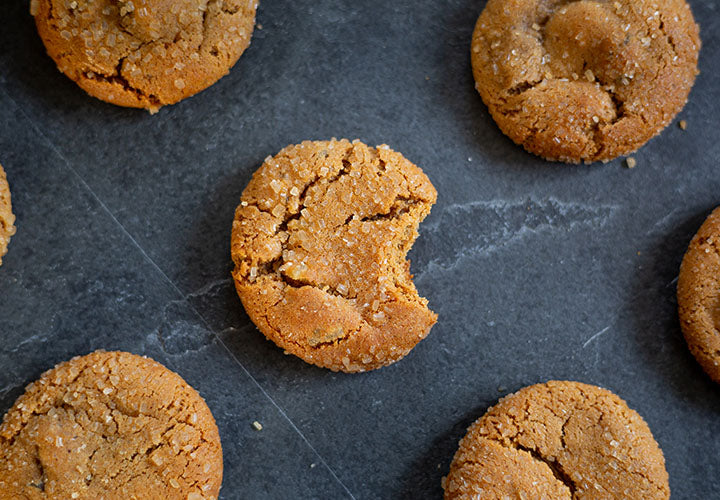
Quadruple Ginger Cookies
Curried Pumpkin Apple Soup

Ginger Curry Mustard

Moroccan Beef Short Ribs

If you have any questions about ginger, or have a favorite recipe to share, email us at spices@thespicehouse.com or leave us a comment below.
Article by Geoff Marshall, Staff Writer
Frequently Asked Questions
What exactly is ginger?
Ginger is the edible rhizome of Zingiber officinale, a tropical plant in the ginger family. People have used it for thousands of years in cooking, drinks, and medicine. It grows best in warm, wet climates and is cultivated worldwide.
What are the main forms of ginger and when should I use each?
Fresh ginger is best for stir fries, curries, and marinades. Ground ginger works well in baking, spice blends, and drinks. Crystallized or candied ginger is great for snacking and sweet baking. Whole dried ginger can be grated fresh with a microplane or rehydrated for strong, near-fresh flavor.
How do I substitute dried or ground ginger for fresh?
Ground ginger is more concentrated. If a recipe calls for 1 tablespoon fresh, start with about 1/8 to 1/4 teaspoon ground and adjust to taste. Add a little at a time since dried ginger can quickly overpower a dish.
Do I need to peel ginger before using or grinding it?
Peeling is recommended for recipes where appearance and bright flavor matter. Some producers remove peel before drying to make a brighter, cleaner powdered ginger. For cooking, a thin peel left on is fine when using fresh, but peel before baking or fine grinding.
How should I store fresh, dried, and ground ginger?
Store fresh ginger unpeeled in the fridge wrapped in a paper towel inside a resealable bag for a few weeks. For longer storage, freeze peeled slices or grated ginger. Keep ground ginger in an airtight container away from heat, light, and moisture.
How do I use whole dried ginger root?
Grate dried whole root with a microplane for intense flavor, or rehydrate slices in hot water and chop or dice for recipes. Rehydrated dried root works well in beverages like homemade ginger ale.
What flavors and foods pair well with ginger?
Ginger pairs nicely with many fruits such as apple, orange, mango, pineapple, and peach. It also works with vegetables, seafood, pork, beef, poultry, tofu, and legumes. Complementary spices and flavors include cinnamon, cardamom, turmeric, garlic, soy sauce, citrus, coconut milk, and honey.
Where does high-quality ginger come from and why does sourcing matter?
Much of the world produces ginger, but premium dried ginger often comes from regions in southwestern China like Yunnan, Guizhou, and Guangxi. Sourcing and processing matter because removing the peel before drying and grinding yields a brighter color, aroma, and taste in powdered ginger.
What exactly is ginger?
Ginger is the edible rhizome of Zingiber officinale, a tropical plant in the ginger family. People have used it for thousands of years in cooking, drinks, and medicine. It grows best in warm, wet climates and is cultivated worldwide.
What are the main forms of ginger and when should I use each?
Fresh ginger is best for stir fries, curries, and marinades. Ground ginger works well in baking, spice blends, and drinks. Crystallized or candied ginger is great for snacking and sweet baking. Whole dried ginger can be grated fresh with a microplane or rehydrated for strong, near-fresh flavor.
How do I substitute dried or ground ginger for fresh?
Ground ginger is more concentrated. If a recipe calls for 1 tablespoon fresh, start with about 1/8 to 1/4 teaspoon ground and adjust to taste. Add a little at a time since dried ginger can quickly overpower a dish.
Do I need to peel ginger before using or grinding it?
Peeling is recommended for recipes where appearance and bright flavor matter. Some producers remove peel before drying to make a brighter, cleaner powdered ginger. For cooking, a thin peel left on is fine when using fresh, but peel before baking or fine grinding.
How should I store fresh, dried, and ground ginger?
Store fresh ginger unpeeled in the fridge wrapped in a paper towel inside a resealable bag for a few weeks. For longer storage, freeze peeled slices or grated ginger. Keep ground ginger in an airtight container away from heat, light, and moisture.
How do I use whole dried ginger root?
Grate dried whole root with a microplane for intense flavor, or rehydrate slices in hot water and chop or dice for recipes. Rehydrated dried root works well in beverages like homemade ginger ale.
What flavors and foods pair well with ginger?
Ginger pairs nicely with many fruits such as apple, orange, mango, pineapple, and peach. It also works with vegetables, seafood, pork, beef, poultry, tofu, and legumes. Complementary spices and flavors include cinnamon, cardamom, turmeric, garlic, soy sauce, citrus, coconut milk, and honey.
Where does high-quality ginger come from and why does sourcing matter?
Much of the world produces ginger, but premium dried ginger often comes from regions in southwestern China like Yunnan, Guizhou, and Guangxi. Sourcing and processing matter because removing the peel before drying and grinding yields a brighter color, aroma, and taste in powdered ginger.
stars:5