Wasabi Wings
Crispy wasabi chicken wings with jalapeno and horseradish. Quick marinade, fry or grill. Tips for less heat, extra crisp, and safe handling.
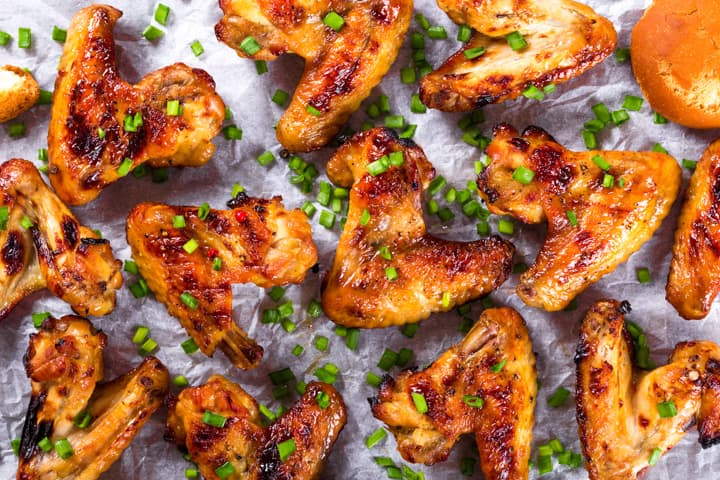
I keep trying to find new ways to use wasabi rather than just with sushi and tuna steak, so here it is.
Submitted by: Mabel Menard from Chicago, IL
Yield: 4
- Blend wasabi, jalapeno, soy, vinegar, horseradish and oil into a marinade and coat wings.
- Pan-fry in 1 inch oil covered, 7-8 minutes per side, then toss hot wings in the wasabi sauce.
- You can grill, bake, or air-fry as alternatives; discard raw marinade or reserve a clean portion for sauce.
Spices
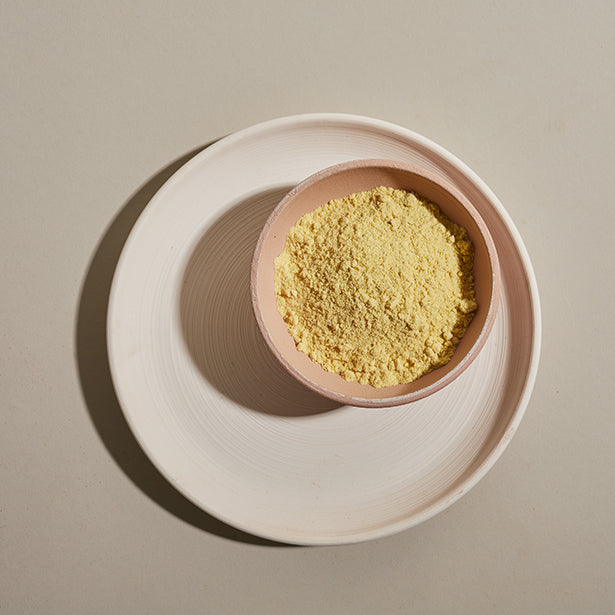
Featured in this Recipe

Preparation Instructions:

thespicehouse.com
More About This Recipe
Frequently Asked Questions
Can I bake, air-fry, or grill these wings instead of frying?
Yes. Bake at 425°F for 35 to 45 minutes, flipping once, until internal temperature reaches 165°F and skin is crisp. Air-fry at 375°F for 18 to 25 minutes, shaking halfway. Grill over medium heat, cooking until done and crisp; toss with the wasabi sauce just before serving.
How can I make the wings less spicy?
Reduce the wasabi and jalapeno amounts, remove jalapeno seeds, or replace wasabi with milder horseradish. Adding a touch more sugar, honey, or a creamy dip will balance heat. Taste and adjust the sauce before coating the hot wings.
Can I use prepared wasabi paste instead of wasabi powder?
Yes. Swap equal volume of prepared wasabi paste for the rehydrated powder but start with less and adjust to taste. Prepared paste and rehydrated powder differ in intensity, so taste and fine tune the heat.
Do I have to discard the leftover marinade?
Yes, discard any marinade that contacted raw chicken to avoid cross contamination. If you want a sauce, reserve a separate portion of the marinade before adding raw wings, or bring the used marinade to a rolling boil for several minutes to kill bacteria.
How do I get extra crispy skin?
Pat wings dry before marinating, do not overcrowd the pan, and make sure the oil is hot before frying. You can dust wings lightly with cornstarch or baking powder for extra crisp. Drain on a wire rack rather than paper towels to keep skin crisp.
How long should I marinate the wings and how do I store leftovers?
Marinate 30 minutes up to overnight for more flavor. Cooked wings keep 3 to 4 days in an airtight container in the refrigerator. Reheat in a 400°F oven for 8 to 10 minutes or in an air fryer at 350°F for 5 to 7 minutes until 165°F.
How can I make this recipe gluten-free or vegetarian?
For gluten-free use tamari or coconut aminos instead of regular soy sauce. For a vegetarian option, use cauliflower florets or firm tofu and adjust cook time until browned and cooked through; the same wasabi sauce works well.
How do I know the wings are fully cooked?
Use an instant-read thermometer. The safe internal temperature for chicken is 165°F. You can also check that juices run clear and there is no pink near the bone. The skin should be golden and crisp.
Can I bake, air-fry, or grill these wings instead of frying?
Yes. Bake at 425°F for 35 to 45 minutes, flipping once, until internal temperature reaches 165°F and skin is crisp. Air-fry at 375°F for 18 to 25 minutes, shaking halfway. Grill over medium heat, cooking until done and crisp; toss with the wasabi sauce just before serving.
How can I make the wings less spicy?
Reduce the wasabi and jalapeno amounts, remove jalapeno seeds, or replace wasabi with milder horseradish. Adding a touch more sugar, honey, or a creamy dip will balance heat. Taste and adjust the sauce before coating the hot wings.
Can I use prepared wasabi paste instead of wasabi powder?
Yes. Swap equal volume of prepared wasabi paste for the rehydrated powder but start with less and adjust to taste. Prepared paste and rehydrated powder differ in intensity, so taste and fine tune the heat.
Do I have to discard the leftover marinade?
Yes, discard any marinade that contacted raw chicken to avoid cross contamination. If you want a sauce, reserve a separate portion of the marinade before adding raw wings, or bring the used marinade to a rolling boil for several minutes to kill bacteria.
How do I get extra crispy skin?
Pat wings dry before marinating, do not overcrowd the pan, and make sure the oil is hot before frying. You can dust wings lightly with cornstarch or baking powder for extra crisp. Drain on a wire rack rather than paper towels to keep skin crisp.
How long should I marinate the wings and how do I store leftovers?
Marinate 30 minutes up to overnight for more flavor. Cooked wings keep 3 to 4 days in an airtight container in the refrigerator. Reheat in a 400°F oven for 8 to 10 minutes or in an air fryer at 350°F for 5 to 7 minutes until 165°F.
How can I make this recipe gluten-free or vegetarian?
For gluten-free use tamari or coconut aminos instead of regular soy sauce. For a vegetarian option, use cauliflower florets or firm tofu and adjust cook time until browned and cooked through; the same wasabi sauce works well.
How do I know the wings are fully cooked?
Use an instant-read thermometer. The safe internal temperature for chicken is 165°F. You can also check that juices run clear and there is no pink near the bone. The skin should be golden and crisp.
The idea behind the sauced wings is to have the sauce adhere to the wings after cooking. All of the sauce in this recipe burns off in the cooking oil and none is left on the wings themselves as in buffalo style wings that have the sauce ladled or dredged afterwards. I think the author needs to revise the MOP on this.