Simple Pizza Dough
Easy pizza dough for cast iron or Detroit pans. Quick steps, tips for thin or puffy crusts, and fixes for slow rise.
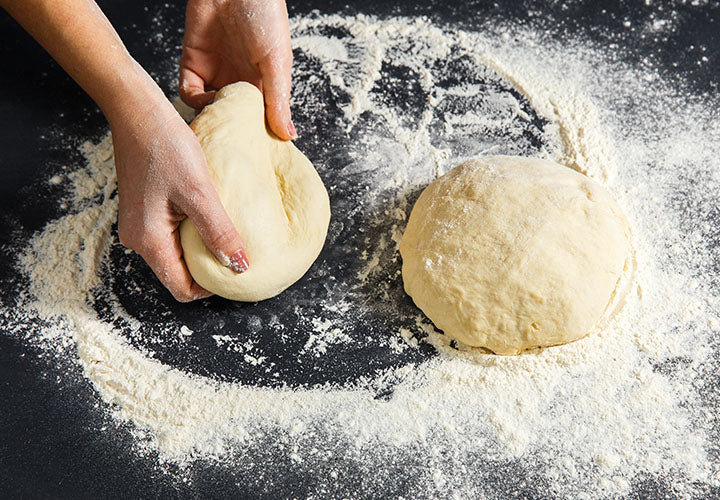
This is a straightforward pizza dough recipe for stress-free homemade pizza. This recipe works especially well in a pre-heated cast iron skillet or in a pan for Detroit-style pizza. To make your own pizza sauce, try our Classic Tomato Sauce recipe!
Submitted by: Geoff Marshall from Chicago, IL
Yield: Makes 2 medium-sized pizzas
- Wake the yeast in warm water with sugar, then knead flour, salt, oil and yeast water into a smooth ball.
- Proof the oiled dough in a covered bowl until doubled, punch down, divide into two balls, then rest 10-15 minutes before shaping.
- Roll for a thin crust or stretch/spin for a bubbly crust. Fix stickiness with small amounts of flour or water and speed rising in a warm spot.
Preparation Instructions:

thespicehouse.com
More About This Recipe
Frequently Asked Questions
How many pizzas does this recipe make?
The recipe is divided into two dough balls, so it makes two medium pizzas. You can make one larger pizza or more smaller ones by adjusting how thin you roll or stretch each ball.
Can I use active dry yeast instead of instant yeast?
Yes. Dissolve active dry yeast in warm water about 105 to 110 degrees F with the sugar and let it foam for 8 to 10 minutes before adding it to the flour. Active yeast needs that proofing step. Instant yeast usually works faster and can be mixed directly with dry ingredients.
How long should the dough rise?
Rise it at least one hour or until the dough roughly doubles in size. Warmer kitchens will take less time, cooler kitchens more. After punching down and dividing, let each ball rest 10 to 15 minutes before shaping.
How do I know the dough has doubled and is ready?
The dough will look noticeably larger and feel puffy. Gently press a fingertip into it. If the indentation springs back slowly and not completely, the dough is ready to punch down and divide.
Should I roll the dough or stretch it?
Roll the dough with a pin for a thin, crispy crust. For a puffier, bubbly edge, stretch and spin the dough using the back of your hands and gravity, or gently stretch it across a floured surface, rotating as you go.
What if the dough is too sticky or too dense?
If too sticky, add tiny pinches of flour and knead until manageable. If too dense, add a very small splash of water and knead. Make small adjustments so you do not dry out or overhydrate the dough.
My house is cold. How can I speed up the rise?
Place the covered dough on your stove top and turn the oven to 200 degrees F briefly. Put the dough by the front burner, away from the oven exhaust at the rear, and check often. Do not let the dough bake.
Can I refrigerate or freeze the dough?
Yes. For a slower flavor development, place the oiled dough in an airtight container and refrigerate up to 24 to 48 hours. For longer storage, freeze shaped dough balls in airtight bags for up to three months. Thaw in the fridge overnight, then bring to room temperature before shaping.
How many pizzas does this recipe make?
The recipe is divided into two dough balls, so it makes two medium pizzas. You can make one larger pizza or more smaller ones by adjusting how thin you roll or stretch each ball.
Can I use active dry yeast instead of instant yeast?
Yes. Dissolve active dry yeast in warm water about 105 to 110 degrees F with the sugar and let it foam for 8 to 10 minutes before adding it to the flour. Active yeast needs that proofing step. Instant yeast usually works faster and can be mixed directly with dry ingredients.
How long should the dough rise?
Rise it at least one hour or until the dough roughly doubles in size. Warmer kitchens will take less time, cooler kitchens more. After punching down and dividing, let each ball rest 10 to 15 minutes before shaping.
How do I know the dough has doubled and is ready?
The dough will look noticeably larger and feel puffy. Gently press a fingertip into it. If the indentation springs back slowly and not completely, the dough is ready to punch down and divide.
Should I roll the dough or stretch it?
Roll the dough with a pin for a thin, crispy crust. For a puffier, bubbly edge, stretch and spin the dough using the back of your hands and gravity, or gently stretch it across a floured surface, rotating as you go.
What if the dough is too sticky or too dense?
If too sticky, add tiny pinches of flour and knead until manageable. If too dense, add a very small splash of water and knead. Make small adjustments so you do not dry out or overhydrate the dough.
My house is cold. How can I speed up the rise?
Place the covered dough on your stove top and turn the oven to 200 degrees F briefly. Put the dough by the front burner, away from the oven exhaust at the rear, and check often. Do not let the dough bake.
Can I refrigerate or freeze the dough?
Yes. For a slower flavor development, place the oiled dough in an airtight container and refrigerate up to 24 to 48 hours. For longer storage, freeze shaped dough balls in airtight bags for up to three months. Thaw in the fridge overnight, then bring to room temperature before shaping.
Nice😜